CAMO: A Pillar in the Trade School’s Transformation
CAMO has been a key player in the economic and educational development of families in western Honduras, thanks to its commitment to strategic Community Development projects.
For two decades, one of its main focuses has been supporting the Trade School, an institution that has transformed the lives of thousands of young people and adults through non-formal education.
Sustained and Transformative Support
Since 2004, CAMO has managed and executed infrastructure projects at the Trade School totaling over $.4 million, primarily funded by donations from the United States and Honduras.
This support has been crucial in maintaining and improving the school’s operations, allowing more than 700 students to graduate each year.
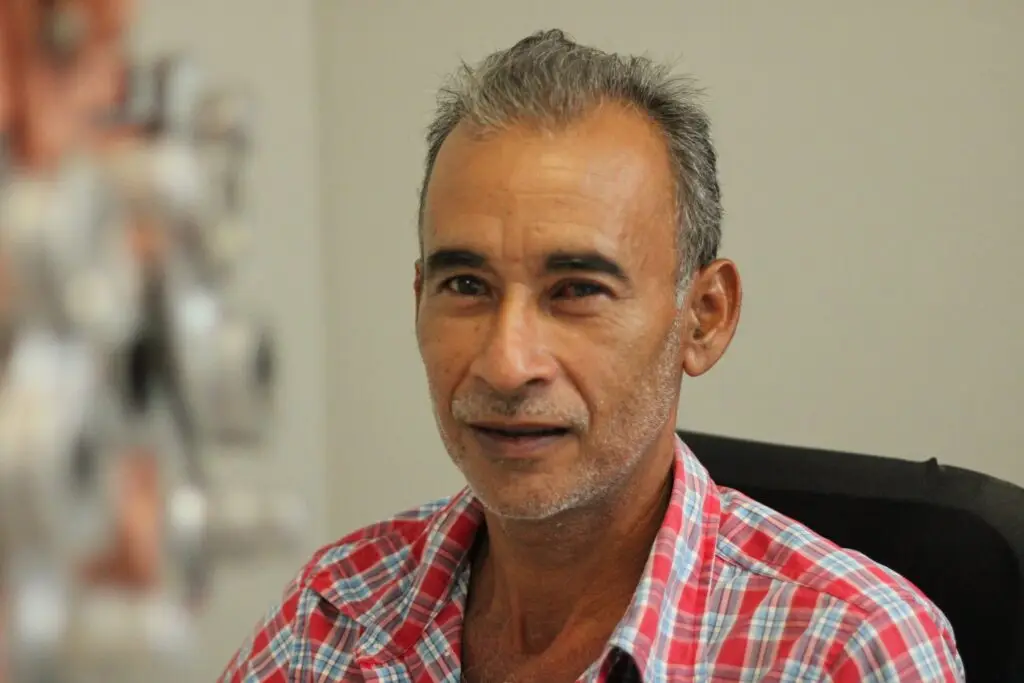
Joseph Ruiz, Trade School’s executive director, emphasized that “CAMO has been a strategic ally for the school for many years, not only as part of the general assembly and the board of directors but also as the main donor. CAMO has strengthened this institution and the formative aspect of the individuals.”
Key Projects at the Trade School
CAMO’s intervention in 2004 marked a turning point for the Trade School. At that time, the school faced an ineffective board of directors and had zero students enrolled.CAMO not only reorganized the board by finding outstanding leaders in Santa Rosa but also temporarily took on the presidency, increasing the number of students to 700.
Additionally, CAMO launched a campaign to acquire specific equipment for the various trades, thus improving the quality of technical training.
“Kathy Tschiegg’s support, CAMO’s founder, has been fundamental in guiding the vision of the Trade School towards a more accurate understanding of the region’s needs and occupational demand,” Ruiz added.
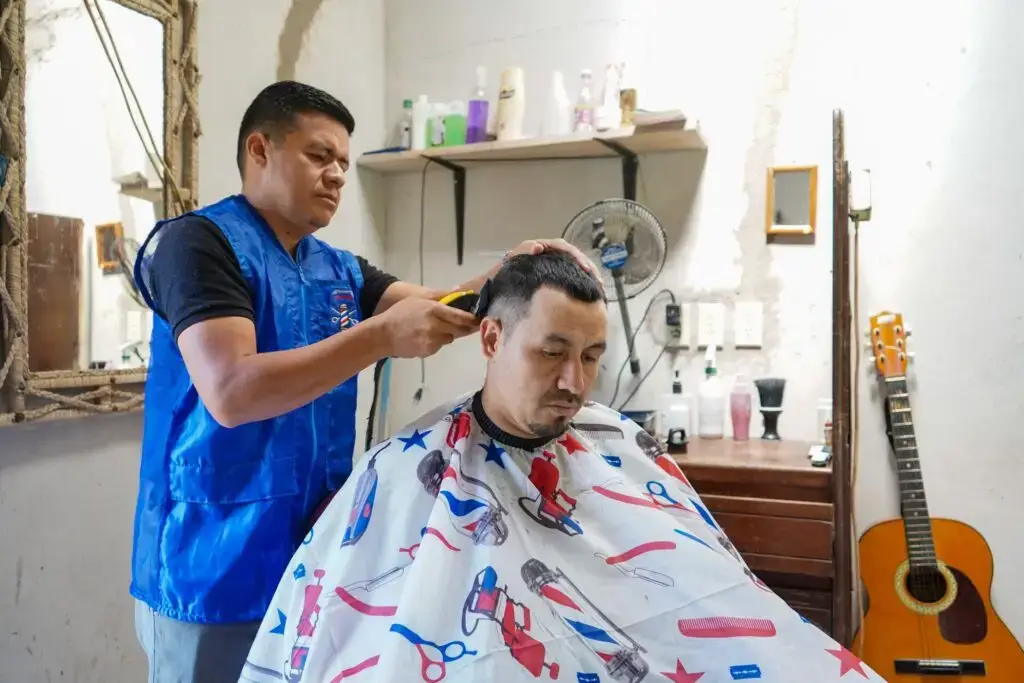
“After being unemployed, I found in the Trade School a training option that allowed me to start my own business and return to my hometown of Vivistorio, Copán,” said Lucas Tábora, a barber.
Expansion and Improvement
Over the years, CAMO has been crucial in managing resources for various expansion and improvement projects at the Trade School, such as the construction of the initial building, with an investment of $183,000; another significant project is the construction of the Annex Building with an investment of $202,000.
The improvement of the electrical system, with an investment of $60,000, is also considered one of the most important projects.
In a few weeks, the construction of the second floor of the CAMO Building will be completed, with at least $118,879 being invested.
These projects have not only improved the infrastructure but have also expanded the school’s capacity to offer courses and workshops to the population, in collaboration with municipalities, cooperatives, NGOs, and other institutions.
Commitment to Transparency and the Future
Transparency in resource management is a fundamental pillar for CAMO. This commitment has allowed the central government to also allocate resources to strengthen the Trade School.
“Ruiz acknowledged CAMO not only for the financial support that significantly improved the infrastructure but also for the support of its overall operations.”
The Trade School is committed to two essential training processes: entrepreneurship and local employability. The school provides young people with technical skills that open doors to new job and entrepreneurial opportunities.
The Importance of Donating
For CAMO to continue being a vital pillar in improving the quality of life for the most disadvantaged, continuous support through donations is essential.
Every contribution strengthens our ability to continue executing transformative projects and ensuring the well-being of the communities that need it most.