CAMO IN FOCUS JUNE 2024
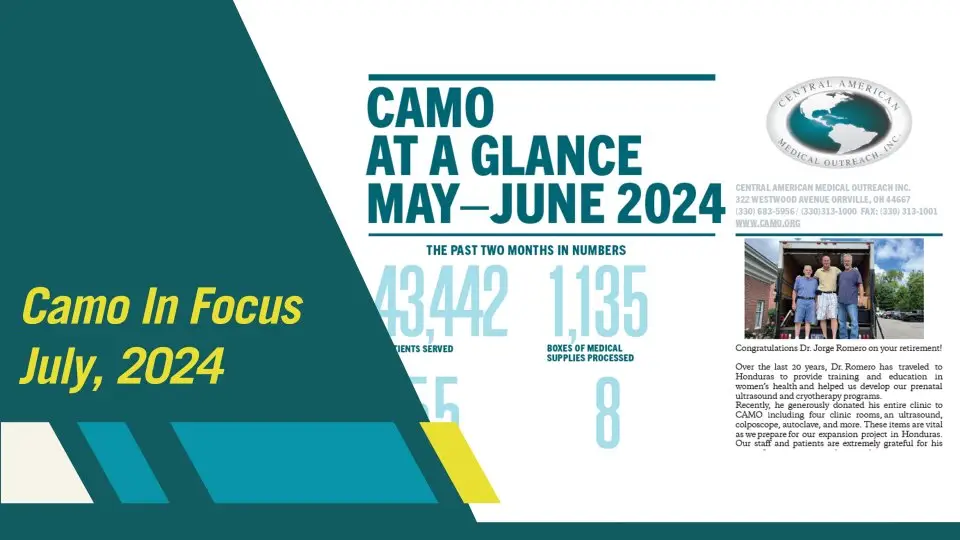
Read CAMO AT A GLANCE MAY – JUNE 2024
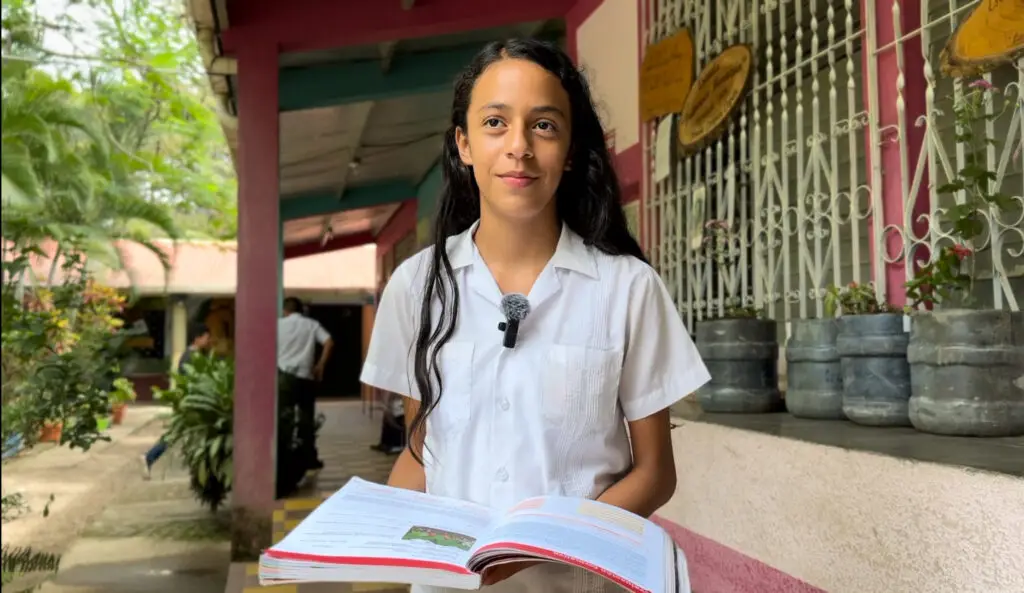
Nataly Mejía, a fifth-grade student at a rural school in Corquín, Copán, has demonstrated that she is one of the fastest and most comprehensive readers in her school.
This talent has led her to win spelling competitions, making her an exemplary student in her community.
Nataly, who is about to turn 12, stands out among her peers for her speed reading and comprehension skills.
Her school follows a reading control process, recording the number of words children read per minute and evaluating their reading comprehension as part of their learning process.
This method, implemented with the support of the Honduran Department of Education and CAMO’s Literacy Program, provides 17 schools in western Honduras with educational and reading books, as well as libraries.
Additionally, the Literacy Program evaluates children in ophthalmology, nutrition, dentistry, oral hygiene, and audiometry, identifying and addressing potential health problems that could affect their learning early on.
Thanks to this program, Nataly has been able to develop her reading skills exceptionally.
Her preparation led her to win first place in a municipal-level spelling contest in Corquín, Copán.
Nataly dreams of becoming a professional veterinarian, and her teacher, Jesús Galdámez, proudly stated that “she is a very good student.”
“Every day we have to study, and these books help us a lot,” commented Nataly, grateful for the resources provided by CAMO.
Her teacher explained that the students in his class not only read at school but are also challenged to continue their practice at home, dedicating up to two hours a day to reading.
Nataly’s story is a testament to the positive impact CAMO has on the education and future of children in Honduras.
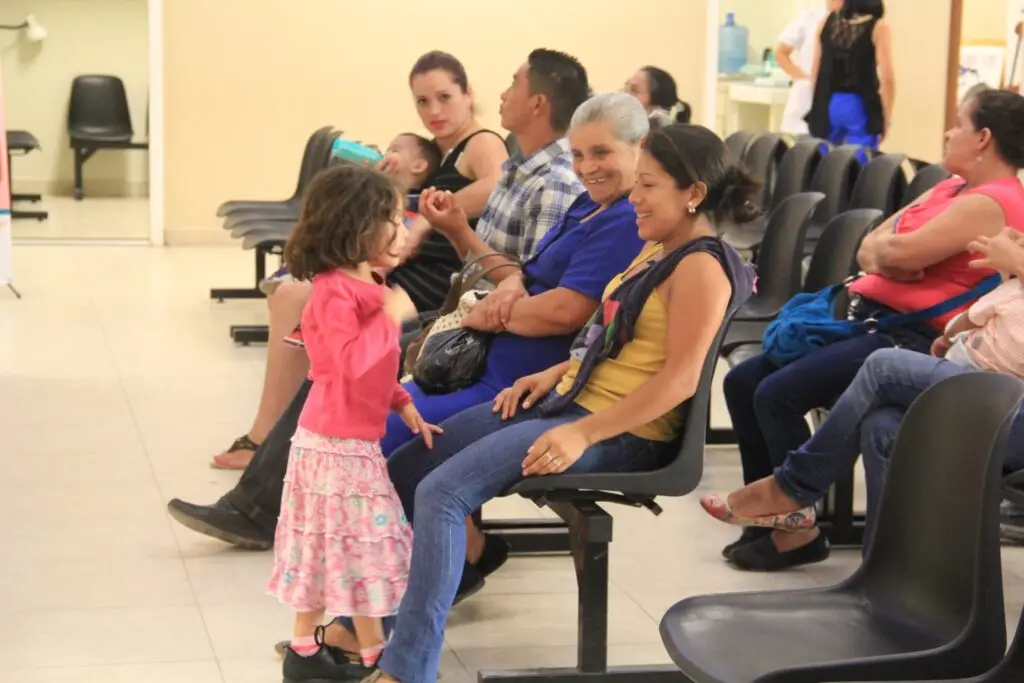
The Public Health Center in Santa Rosa de Copán has become a beacon of hope and progress for thousands of people.
This health center, which once faced severe infrastructure problems and service limitations, was transformed thanks to the efforts of CAMO and the generosity of its donors.
Before 2014, the health center faced structural challenges. The facilities, built decades ago, had reached a significant state of disrepair. Electrical and water systems were collapsing, walls were cracking, and the cement roof threatened to collapse.
“We suffered significant infrastructure problems, many areas were in poor condition, we had small spaces, and we lacked an electric generator,” recalled Dr. Denia Romero, director of the Public Health Center.
For two years, CAMO worked to renovate and expand the health center.
The investment included modernizing electrical, water, and sewage systems, renovating walls and roofs, and adding new medical facilities.
In 2016, the Polyclinic reopened its doors with completely renovated and expanded infrastructure.
CAMO’s four programs at the assistance center such as X-ray, mammography, ultrasound, and cervical cancer treatment, were strengthened.
“The expansion and remodeling transformed the establishment into the largest and most modern public health center in western Honduras,” noted Dr. Romero.
The transformation of the Polyclinic had a profound and lasting impact on the community.
According to the center authorities, daily consultations increased from 180 to 700 people.
“We are now serving over 700 users daily, supported by one of the nation’s top cold chain systems. Additionally, we have expanded our pediatric and psychiatric care, as well as our cervical cancer, mammography, and X-ray programs,” emphasized Dr. Romero.
Today, the Polyclinic has 22 clinics and two training rooms, providing more than 800 daily services, making it the second-largest health center in Honduras.
“The intervention had a significant impact, elevating us to a national-level polyclinic. We are now a recognized reference point across the country,” the director proudly stated.
The Public Health Center not only improved the quality of life for the residents of Santa Rosa de Copán but also became a model for other health establishments in Honduras.
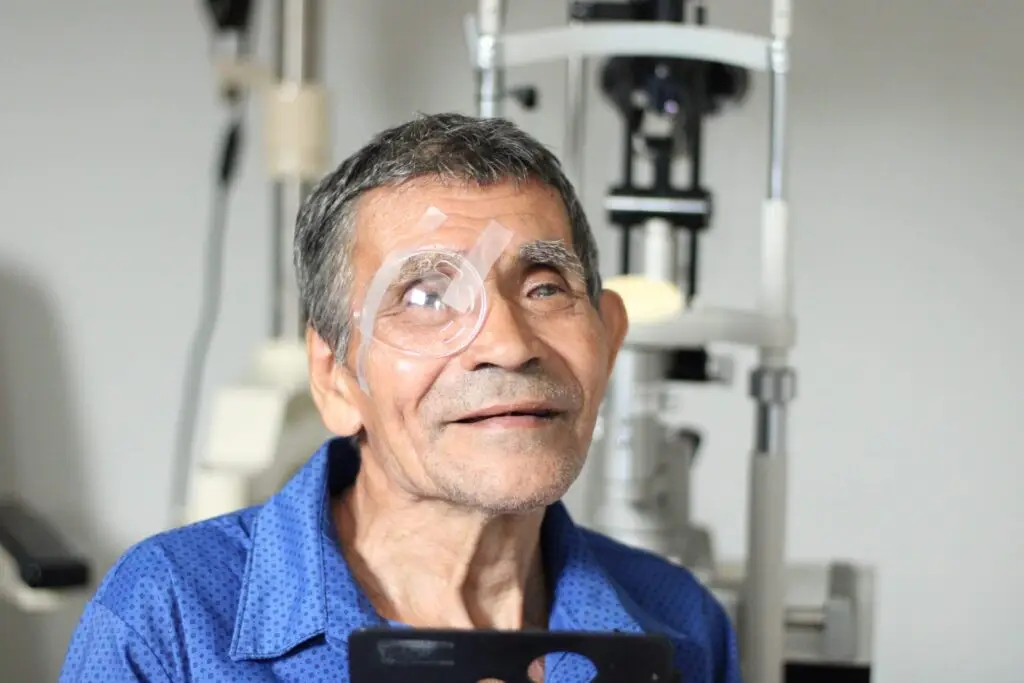
Andrés Serrano, an elderly man, had been trapped in a life of hardship due to his blindness.
Living alone in a small house, Andrés was diagnosed with absolute glaucoma in his left eye and cataracts in his right.
Unable to see almost anything, his life became a challenge, especially in terms of mobility and his ability to work.
For four years, Andrés stopped working with the machete, a tool that had been his livelihood.
The loss of vision not only prevented him from continuing to work but also confined him to his home.
“I didn’t leave my small house all this time and it’s been sad. My hope is that this year I’m going to go back to picking coffee, I’m going to go back to work,” he said hopefully.
With the help of two neighbors who witnessed his difficulties, Andrés was taken to the CAMO’s Ophthalmology Program, in collaboration with the Robles Ophthalmological Center in Santa Rosa de Copán.
Thanks to CAMO, Andrés received the operation he so desperately needed.
Within 24 hours of the operation, Andrés began to feel improvement.
“I feel much better and I’m regaining my vision,” he said excitedly. The surgery not only restored his sight but also gave him hope to return to his working life and fend for himself.
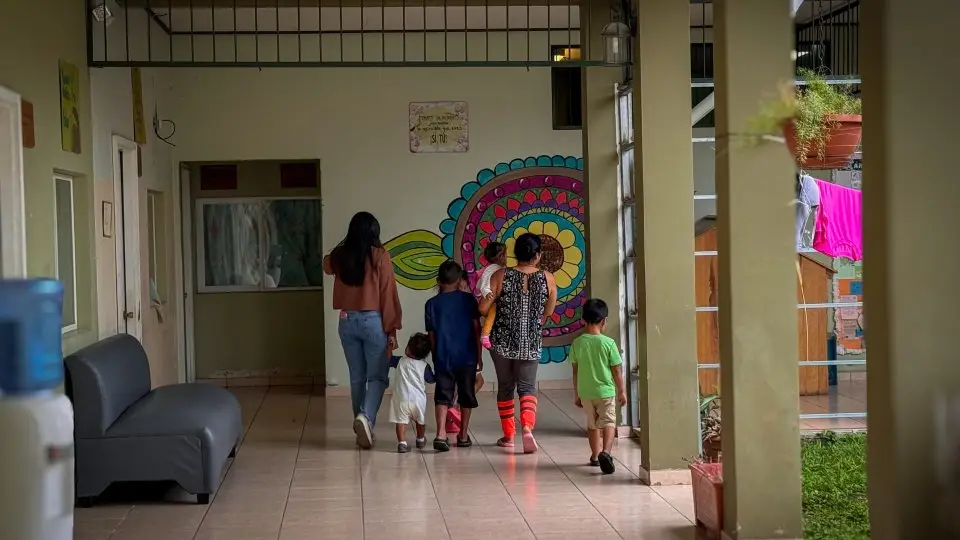
Through its Community Development component, CAMO built and continues to support the operation of the Women’s Shelter, a safe haven for women and girls who are victims of domestic violence.
Between 2008 and 2010, CAMO with financial support from donors in the USA, the Honduran National Congress, the municipality, and the community of Santa Rosa de Copán, built this shelter.
Since then, the Women’s Shelter has offered comprehensive intervention programs, providing food, lodging, security, legal support, healthcare, psychological care, and free training to families in need.
The Women’s Shelter is a non-political, non-profit civil organization that offers comprehensive, empathetic, and confidential care to women and their children suffering from gender-based violence.
Its goal is to provide shelter and protection, and in partnership with institutions like CAMO, ensure comprehensive assistance to the victims.
The relationship between the Women’s Shelter and CAMO remains strong, as CAMO annually contributes financially to the shelter’s operations and is part of the Board of Directors that ensures the Women’s Shelter continues to be a safe place for women and their children.
In the past year, about 114 women and their children were assisted at the Women’s Shelter, bringing the total to 1,508 people who have received assistance since its inception.
The facilities of the Women’s Shelter are equipped with security measures, providing women and their children comprehensive protection during their stay, which varies according to each case.
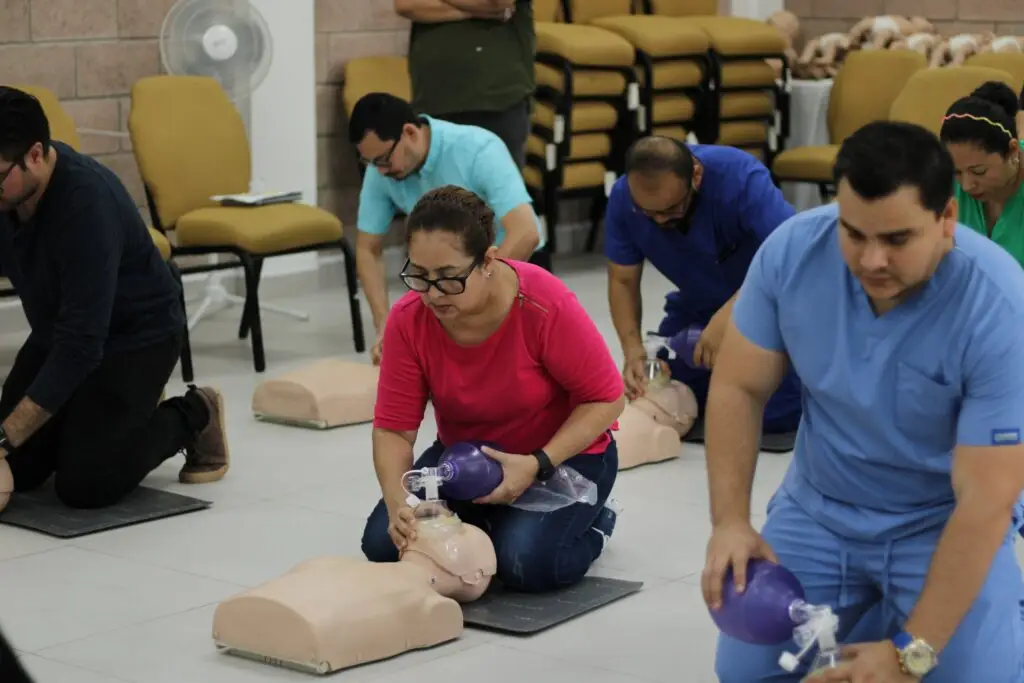
CAMO has successfully intervened in the emergency room of Hospital de Occidente, thanks to the valuable donations received from both the United States and Honduras.
This project included infrastructure improvements, the donation of medical equipment and supplies, and currently supports the medical team in their certification for Emergency Cardiovascular Care (CPR, ACLS, PALS AND NALS).
In collaboration with the Hospital’s Support Committee, CAMO inaugurated an ambitious project to improve the Emergency Room of Hospital de Occidente.
The improvements included demolitions, wall construction, installation of security cameras, provision of medical equipment and furniture, and training for emergency personnel in the triage process to optimize patient flow and improve response to critical situations.
CAMO also maintains a permanent donation of equipment and supplies for the hospital’s emergency room.
In the field of medical education, CAMO has been a pioneer in CPR certification by the American Heart Association (AHA) since 1997, being the first organization in Honduras to obtain this accreditation.
This program allows the certification of individuals in basic and advanced life support for cardiopulmonary resuscitation.
The CPR program, managed by CAMO’s Education Department, is recognized as one of the best in Honduras.
With the expertise of Dr. Rosalia Mahr from Ohio State University and Nationwide Children’s Hospital, emergency room staff in Santa Rosa de Copán have been trained in adult and pediatric emergency medicine and ultrasound.
Dr. Mahr will continue to return regularly to ensure ongoing staff training and proper equipping of the emergency room.
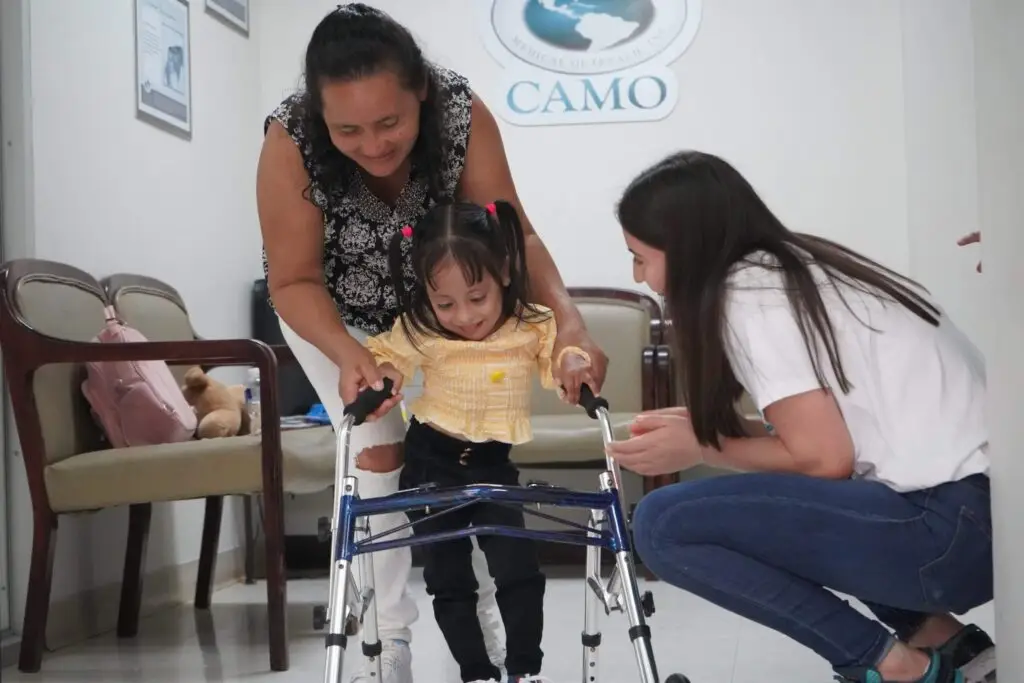
In the rural community of La Estancia, Lepaera, a story of hope and perseverance unfolds with every step Milagro Portillo takes, a 7-year-old girl who has been CAMO’s since she was two months old.
This week, Milagro and her mother, María Portillo, visited the CAMO facilities to share her progress and receive a walker that will improve her mobility.
“It has been difficult, but thanks to God and CAMO, we have moved forward,” commented María.
Since the little girl was two months old, she has been under the care of Dr. Roberto Álvarez, CAMO’s counterpart for the Neurosurgery Program.
The journey has been arduous, but full of small and great achievements that have marked the lives of Milagro and her family.
Milagro was born premature and with hydrocephalus, a condition that required surgeries on her head.
“Thanks to CAMO, we see a future full of possibilities for my daughter,” said María Matías, a grateful mother.
“Milagro began to stand up three days ago. This is a great achievement for me, and I wanted to come and share it with the CAMO staff, who are like a second family to us,” María shared with a smile full of pride and joy.
Seeing her daughter stand on her own for the first time is a significant milestone in her recovery and development.
Despite the challenges, Milagro is a cheerful and intelligent girl.
Additionally, she was referred to the Ophthalmology Program thanks to the collaboration with the Robles Ophthalmological Center, which will further improve her quality of life.
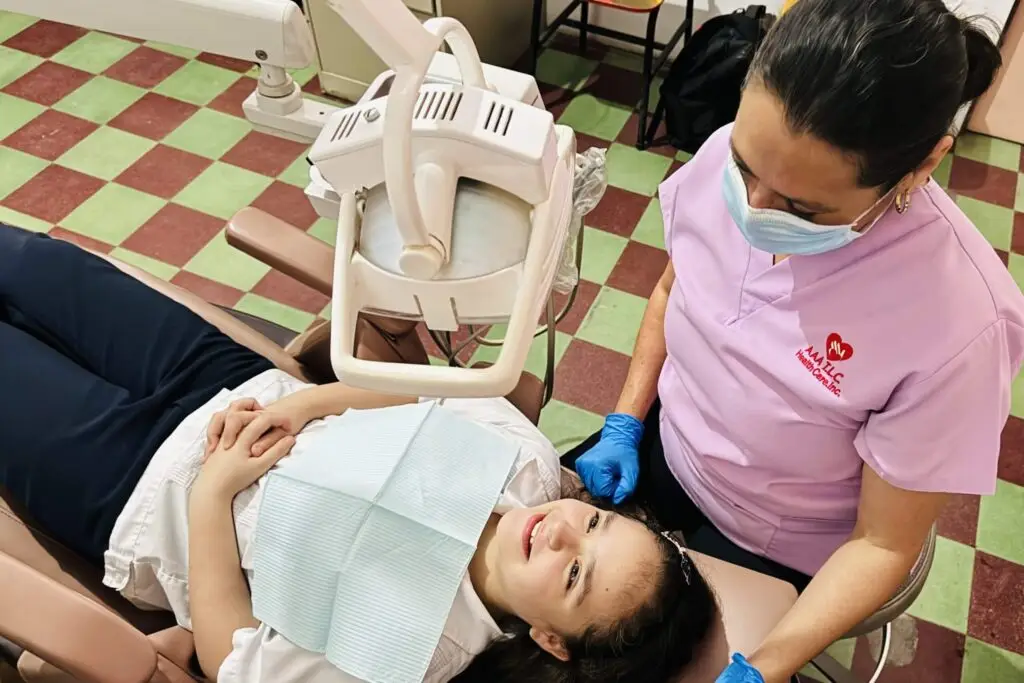
In an effort to improve the health and well-being of communities, CAMO, with valuable contributions from donors in Honduras and the United States, donated dental units to equip dental clinics in the five public schools with the highest enrollment in Santa Rosa de Copán.
These clinics operate thanks to the collaboration of the Ministry of Health, which assigns a dentist, while CAMO provides the necessary equipment, and the educational community manages and supplies some of the consumables.
The initiative allows for improving the quality of life for thousands of children attending the public education system.
In Santa Rosa de Copán, the beneficiary schools are Jesús Banegas Membreño Basic Education Center (CEB), Jerónimo J. Reina, Manuel Bonilla, José María Medina, and San Antonio.
Ariel Villanueva, director of the Manuel Bonilla CEB, expressed that “having a dental clinic in the educational center is a great strength, and the benefit is noticeable in our children.”
“CAMO has been present from the donation of the chair to its maintenance,” he added.
In recent years, CAMO has been assisted by the Municipality of Santa Rosa de Copán to maintain this equipment, which benefits the children of the municipality. Additionally, our counterpart from the United States in Biomedicine, Gary Brown, comes to Honduras annually to maintain the units along with our team of biomedical engineers.
In this center, more than 953 enrolled students and 40 teachers benefit from the service, which is available both during the day and in the afternoon.
The clinics provide treatments such as cleanings, sealants for pits and fissures, fillings, extractions, and continuous evaluations, which have contributed to better oral hygiene in children.
CAMO has donated dental units to equip dental clinics in health centers, military and police units, schools, hospitals, and the penitentiary center in Santa Rosa de Copán.
Additionally, dental equipment has been donated to other municipalities in Copán, such as San Juan de Opoa, San Pedro, La Unión, Concepción, San José, among others, and in departments like Lempira, Intibucá, Francisco Morazán, and Cortés.
CAMO’s dental program is organized into two areas: the dental clinic, which serves an annual average of 427 patients, and the mobile brigades, which benefit around 6,400 patients annually in more than 70 brigades.
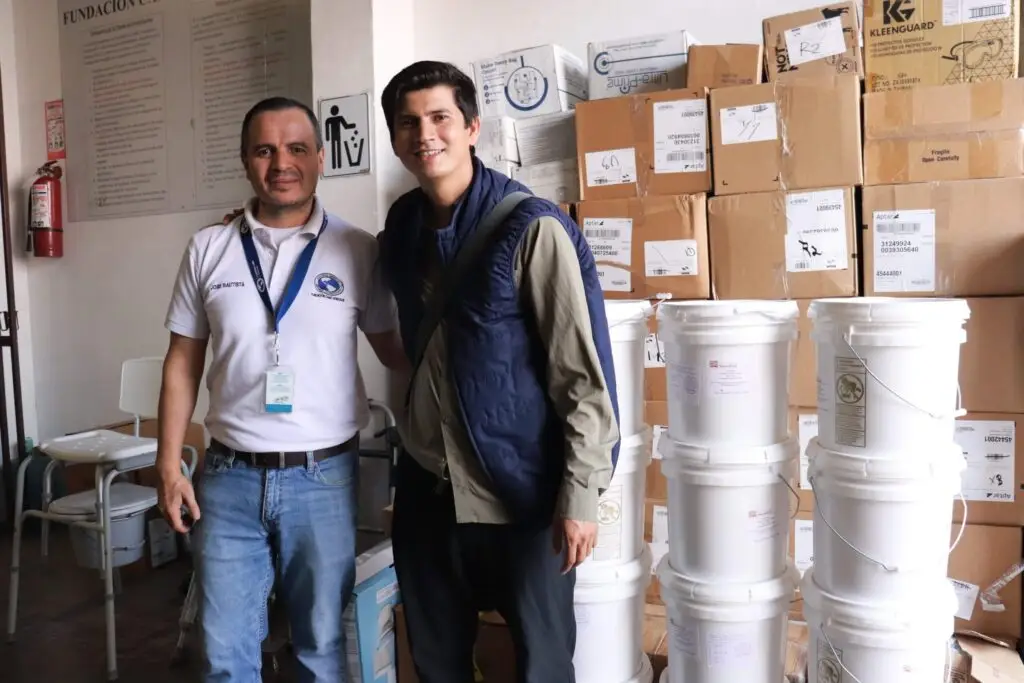
CAMO made a significant donation to the municipality of Piraera, Lempira, addressing the urgent needs of the community.
Piraera, with a population of approximately 20,000 residents, is over 103 kilometers away from the nearest public hospital, a journey that can take up to four hours due to poor road conditions.
The donation, exceeding an investment of $10,000, included non-hospital medical supplies for local health centers.
José Bautista, Director of CAMO Honduras, highlighted that the donated equipment included glucometers, sphygmomanometers, nebulizers, home care equipment, and various supplies for individuals with mobility issues.
Additionally, CAMO delivered food ration buckets from the Food Pharmacy project, part of the Nutrition Program, donated from the United States by Apostolic Christian HarvestCall.
In a touching example of the challenges faced by the community, a dedicated nurse in Piraera swapped her shoes for rubber boots to transport an emergency patient to a medical center. She improvised an IV stand using a tree branch. CAMO stepped in, providing crucial supplies and food rations to support this community in crisis. Your support helps us continue making a difference in Honduras!
The mayor of Piraera, Deydin Mendoza, expressed his gratitude for the support received, saying, “CAMO is always there for our municipality during the most difficult times.”
Mendoza detailed that recent rains had left the municipality inaccessible for several days, leading to a critical food shortage.
Mendoza also emphasized the ongoing need to seek medicines and medical supplies in El Salvador due to the lack of healthcare services in Piraera.
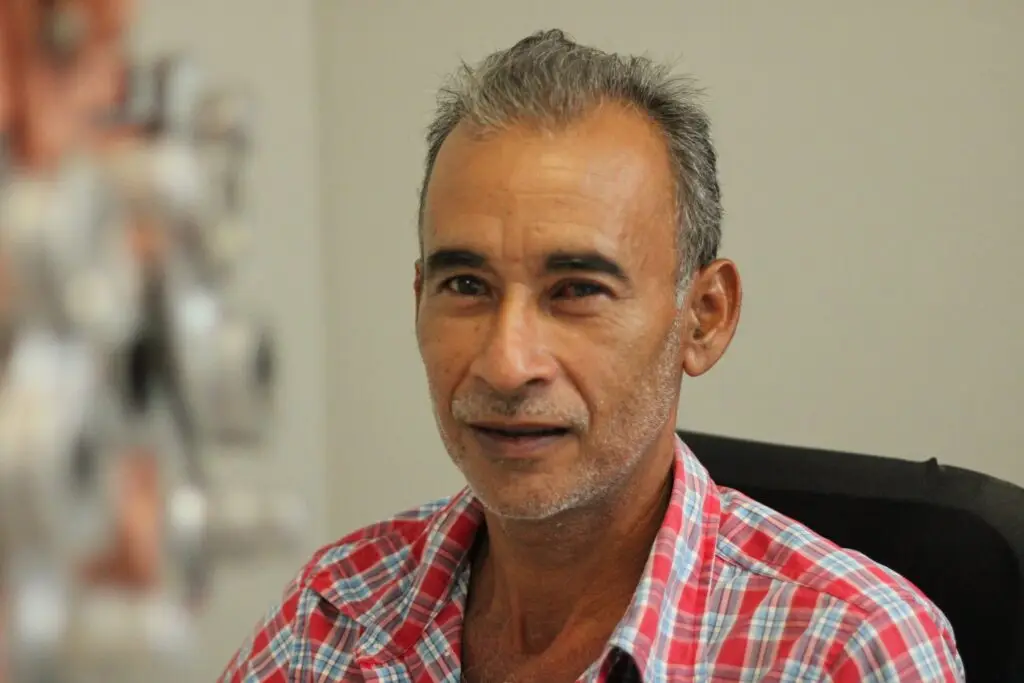
José Zerón dedicated his life to agriculture and construction. In 2009, his life changed drastically when he suffered an accident while working on the construction of a house.
“A steel nail rebounded and hit me while I was working. The accident damaged my cornea. They only did sutures on my left eye,” José recounted.
The injury was so severe that it left him without vision in that eye.
“I suffered for five years because after losing the vision in my eye, I could no longer do many of the jobs I used to,” he added.
During those five years, José faced difficulties and sought medical assistance, eventually finding the help he needed at CAMO.
“At CAMO and the Robles Ophthalmology Center, they valued me as a human being and gave me great care,” said José Zerón, a patient.
Thanks to a corneal transplant brigade organized by CAMO and the Robles Ophthalmology Center, José received the surgery that restored his hope.
After two postoperative evaluations, José continues his recovery. Although it is a long process, he feels optimistic.
José Zerón’s surgery, along with those of six other individuals, was made possible by a joint effort between CAMO and the Robles Ophthalmology Center.
This corneal transplant event in Santa Rosa de Copán provided a new chance at vision for patients with limited economic resources.
Dr. Laura Ponce, CAMO’s counterpart in the Ophthalmology Program, coordinated the brigade, which also included collaboration from doctors from the University of San Francisco: Jay Stewart, Jeremy Keenan, and Julie Schallhorn.
A corneal transplant is a surgical procedure in which a damaged or diseased cornea is replaced with a healthy donor cornea. The cornea is the transparent layer at the front of the eye that allows light to enter and focus, which is essential for clear vision.