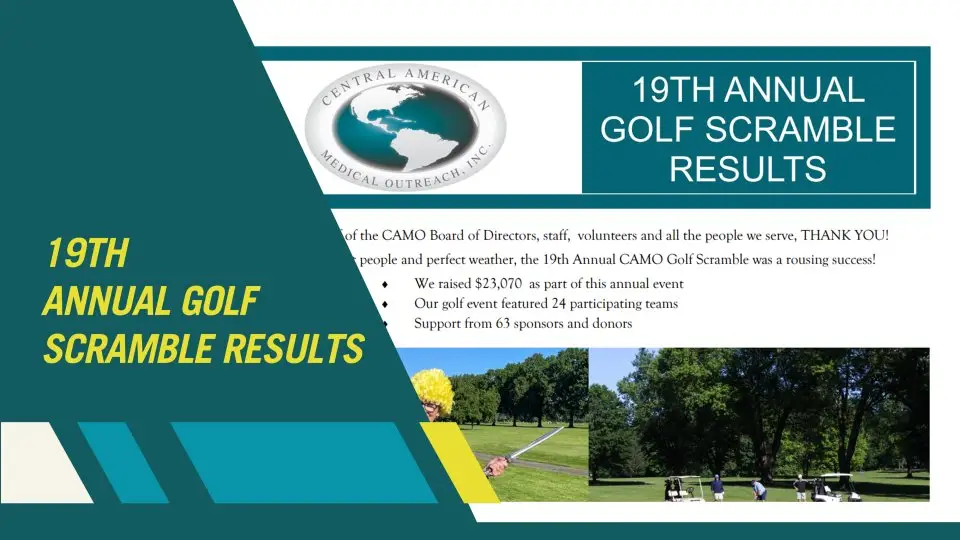
19TH ANNUAL GOLF SCRAMBLE RESULTS
Read 19TH ANNUAL GOLF SCRAMBLE RESULTS…
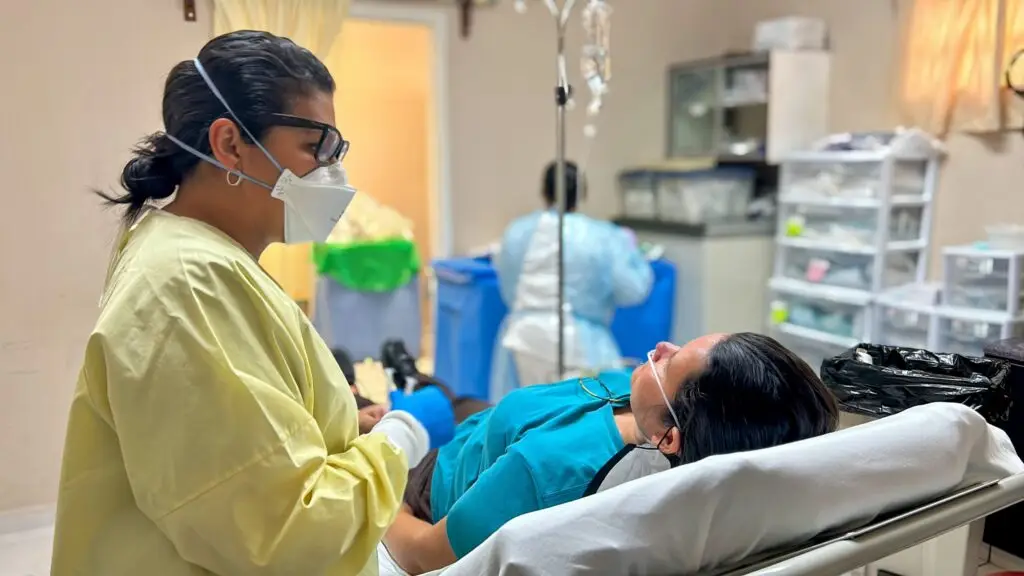
With nearly 600 patients served each year, CAMO’s Gastroenterology Program, in partnership with the Ministry of Health and the public Western Hospital, provides the Honduran community with access to high-quality care.
Flor Márquez traveled from her rural community over 50 kilometers away from our facility when she began experiencing stomach pain about a month ago.
Thanks to our program, Flor was able to quickly access a consultation and evaluation. Subsequently, she underwent an endoscopy to treat her stomach condition.
“I started feeling pain in my stomach and came in for a consultation. Then they performed an endoscopy. I didn’t feel any pain or discomfort during the endoscopy. I was treated very warmly,” shared Flor after her procedure.
This effort is made possible by the dedication of our specialist volunteers from Honduras: Víctor López, Candy Leiva, and Gabriela Duarte.
The Western Hospital provides a physical space for the operation of our program, while CAMO supplies the necessary materials, equipment, and volunteer medical staff, allowing low-income patients to access this care.
Established in 2022, the program was created to address digestive system diseases that frequently affect our population, many of which have high mortality rates. CAMO set up a physical space within the Western Hospital, equipping it and continuously supplying necessary materials for its optimal operation.
In the Honduran public health system, gastroenterology services are scarce, presenting a significant challenge for low-income patients suffering from gastrointestinal and associated organ issues. The program’s goal is to improve the quality of life for these individuals by providing quality care and services.The services we offer include:
– Endoscopy
– Banding of esophageal varices
– Colonoscopy
– Gastroesophageal dilation
– Polypectomy
– Gastrostomy
Recently, we have included Pediatric Gastroenterology care, an addition that has been received with excitement by the community.
The Gastroenterology Program continues to be a beacon of hope and an opportunity to improve the health and quality of life for the population of western Honduras.
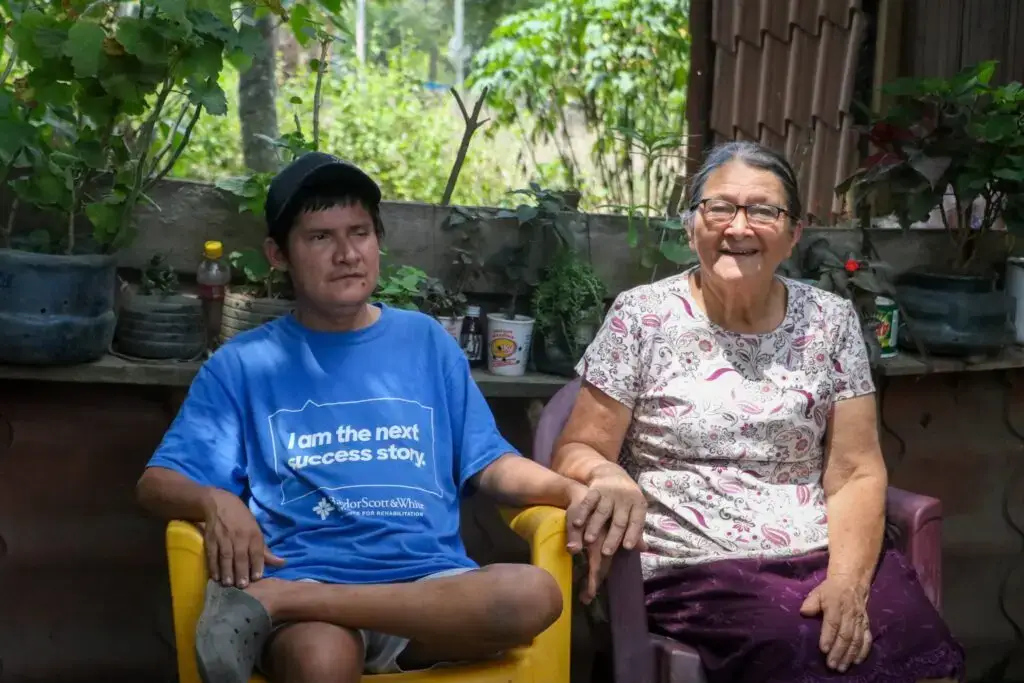
In an effort to address food insecurity in Honduras, CAMO launched an initiative in 2022 aimed at providing buckets of nutritious food to vulnerable families in the western part of the country.Over the past year, the Nutrition Program has delivered more than 2,670 food buckets.Communities affected by the lack of access to adequate food receive buckets containing pork, barley, rice, and oatmeal bars to meet basic nutritional needs.These food buckets act as medicine for those suffering from hunger.
Due to the deficit in rural areas and the high cost of healthcare services, the Nutrition Program seeks to assist economically disadvantaged patients with some degree of malnutrition. These patients face nutritional insecurity due to the lack of available food, worsened by pre-existing conditions that deteriorate their nutritional status and quality of life.To mitigate these issues, donations of medical foods or supplements are made, along with providing education and nutritional counseling.
A direct impact on the lives of those in need.
In a nearby rural community, lives a mother and her two children, all with special conditions. María Rosario, at 75 years old, is the only person who can care for her children, who have disabilities.With one son bedridden and another affected in his development by epilepsy, many nights, María Rosario and her children have gone to bed not knowing what they would eat the next day.
Through a partnership with CAFICO, a coffee cooperative, CAMO managed to reach María Rosario’s home with food buckets, which have become a nutritional relief for her household.María Rosario said they usually only eat breakfast and dinner and expressed her gratitude for CAMO’s nutritious food.A joint effort
Bianca Ramírez, CAMO’s nutritionist, highlighted the positive impact the buckets have had on the lives of Honduran families.“For many families, these buckets are their only meal during difficult times,” said Ramírez.
To access the benefit of food buckets for six months, families must belong to a family unit in extreme poverty and be one of the following: an abandoned elderly person, a single mother, a widower or widow, a person with a disability, or an underweight family member .These conditions ensure that support is directed to those who need it most, guaranteeing an improvement in their food security.
In the current phase of the project, work is being done in coordination with local governments and allied institutions in eight municipalities in western Honduras.
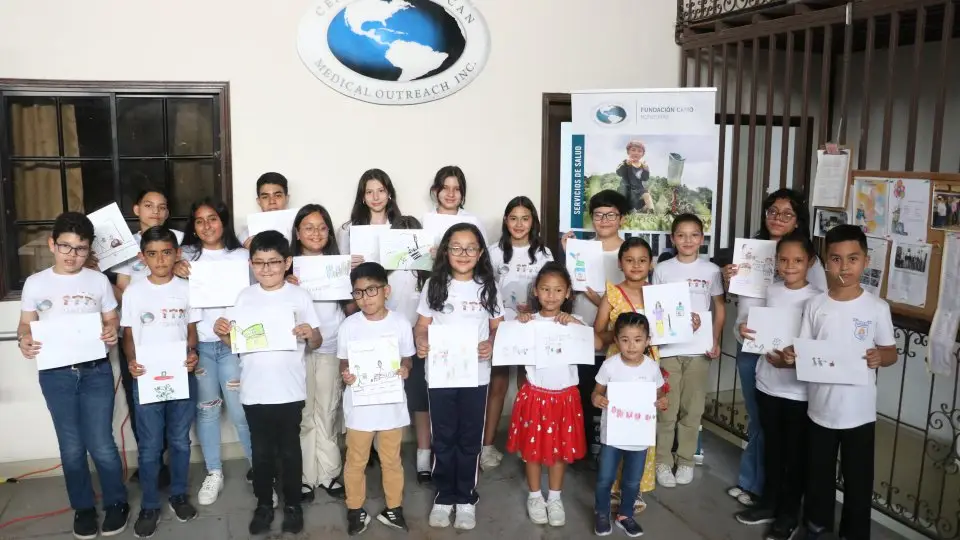
In the heart of our voluntary work, CAMO Junior was born, an initiative that promotes a sense of service and empathy in the younger ones.
Recently, CAMO had the privilege of welcoming our junior volunteers for a day of activities focused on exploring the virtues and achievements of our organization.
From drawing to sharing ideas, each activity provided our young participants with the freedom to express their creativity while reflecting on how they can make the world a better place.
With the attendance of more than twenty children and teenagers, this initiative continues to grow.
CAMO Junior not only seeks to inspire the youngest, but also actively involves them in our mission to serve others.
Our goal is for every child to embrace this noble mission and become a change agent in their community.
With a unique approach that promotes collaboration among doctors, sector professionals, and development leaders, CAMO creates a multidisciplinary network that strengthens our humanitarian work.
The other day, amidst the springtime beauty of Honduras, I put on a new pair of garden gloves, pristine white on one side.
As I toiled in the mud and dirt throughout the day, they inevitably lost their purity and became stained.
It struck me then that this transformation mirrored what happens when we compromise our values, ethics, and commitment to excellence. We begin with a sense of purity and purpose, akin to an angel. But, as compromises creep in, we become strained and apprehensive. It makes me question my own journey and the choices I’ve made in life. On a daily basis, I witness instances of tolerance and compromise where they should have no place. Paradoxically, those who claim to be the most tolerant often reveal their intolerance when faced with differing opinions. I see compromises in various sectors, from healthcare to education, societal norms of ethical behavior. I see protection of the corrupt daily.
Those who resist these compromises are often met with threats while those who choose tolerance and compromise gradually erode the standards without causing offense, garnering the world’s favor. more
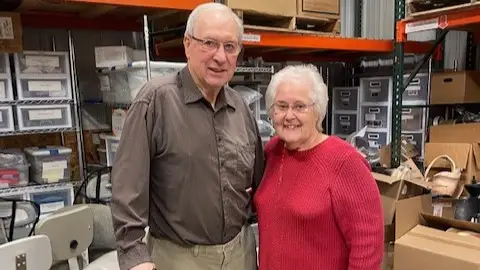
Nearly 20 years ago, a friend of John Croft’s read the book “Faith in Action: Medical Missionaries in Central America.” That book, published in 1997, is an inspirational documentary of the early years of Central American Medical Outreach (CAMO) told through photographs and prose.
The book was so inspirational, it led John and his wife, Wanda, to become two of CAMO’s longest-tenured volunteers.
“20 years ago, we visited CAMO and met with Kathy,” said Wanda.
“She said if you want to do it, you need to be consistent, we need you here.” The Croft’s were already inspired before that introduction to Kathy and CAMO – that meeting solidified their commitment to the mission.
They are so committed, they drive 38 miles, one way, every Monday, from their home in Sugarcreek, Ohio to Orrville.
After working as a nurse for nearly 40 years, 30 years as part of the nursing faculty at Kent State University Tuscarawas. Wanda is a natural fit as a CAMO nurse volunteer – she knows all of the supplies and equipment and what it is used for.
Initially, John was instrumental at CAMO as a forklift and box truck driver. But there were needs at CAMO that weren’t being addressed.
Kathy knew of John’s background as a production worker at Gradall and of his mechanical aptitude. CAMO had a need for someone to lead the prosthetics area – and John stepped right in.
“I love seeing the photos and videos of people in Honduras using the prosthetics that were donated here, I worked on them here, and it is making their life better there. I find satisfaction in that and there is something here every volunteer can find satisfaction in,” John said.
Asked what inspires her to drive 38 miles one-way every Monday after nearly 20 years of volunteering, Wanda’s answer was simple: “The model works,” she said. “Knowing how CAMO has integrated with the Honduran culture and the outreach into the population there is inspiring. I come every week because it is just so neat to know someone can use what we would otherwise throw away here in this country.”
At CAMO, there’s always room for one more. We are always in need of volunteers in all areas of our operations. From nurses to packers, sorters, drivers, maintenance, biomedical engineers – we need your help!
To learn more about volunteering or to schedule a tour of our facility, call (330) 683-5956 or just stop in between the hours of 8:00am and 4:30pm, Monday through Friday.
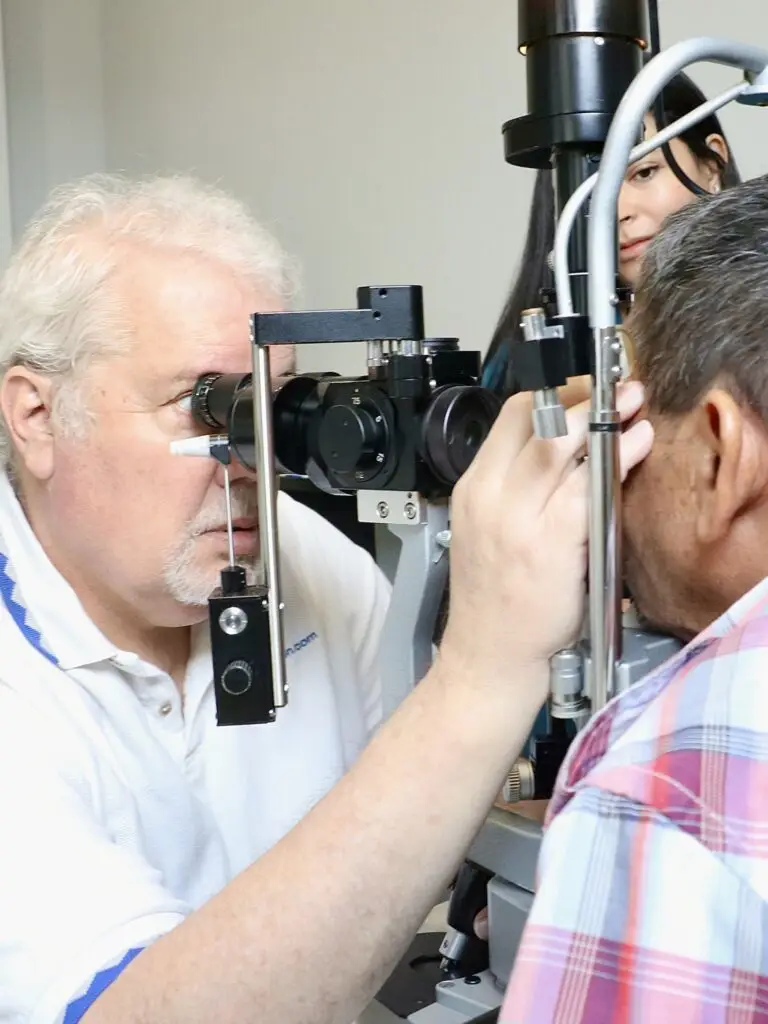
This week, Dr. Kevin Waltz, ophthalmic surgeon counterpart for CAMO’s Eye Program, visited our Honduran clinics to perform eye surgeries for the benefit of the local community.
During this visit, Waltz performed surgeries on 12 patients with various eye conditions.
Dr. Linda Vásquez, a third-year ophthalmology resident at CAMO’s Eye Clinic, highlighted Dr. Waltz’s career both in the United States and Honduras, where he has collaborated with CAMO’s program in the region.
“Dr. Waltz is an ophthalmic surgeon with extensive experience in procedures such as cataract surgery and eye plastic surgery,” stated Dr. Vásquez, who detailed that the partnership with CAMO and the doctor has been crucial for many people to regain their vision in Honduras.
The two-day surgical event is supported by Honduran nursing staff and 5 specialist doctors.
The Eye Program was established in 1993 with the goal of combating reversible blindness caused by cataracts. Over the years, other services have been implemented to address a variety of eye conditions, including glaucoma, retina problems, diabetes, and hypertension, as well as traumas, infections, and ulcers caused by workplace accidents.
Dr. Kevin Waltz’s visit highlights CAMO’s and its collaborators’ commitment to providing quality eye care to those in need in Honduras.
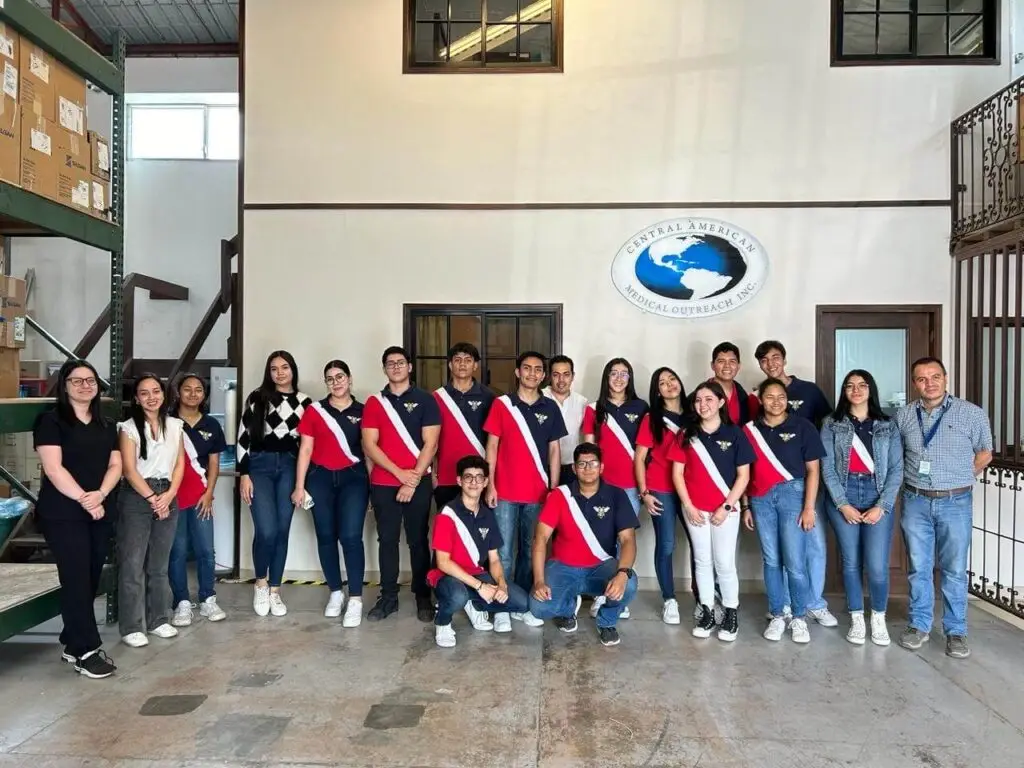
Eleventh-grade students from Alfa & Omega Bilingual School in Santa Rosa de Copán showed their commitment to the community by organizing fundraising activities to support CAMO’s Nutrition Program.
The combined effort of these young people resulted in a valuable monetary donation.This act of solidarity came after the students completed 44 hours of community service as part of their Community Engagement project, providing support to low-income individuals.
With their donation, CAMO will be able to purchase nutritional supplements, vitamins, and other necessary supplies to help over a hundred low-income individuals combat malnutrition in Honduras.
CAMO’s Nutrition Program has been instrumental in assisting around 2,617 patients in the past year, and thanks to the commitment and solidarity of students like those from Alfa & Omega Bilingual School, we hope to continue expanding the reach of this important program to benefit more people in need in the community.
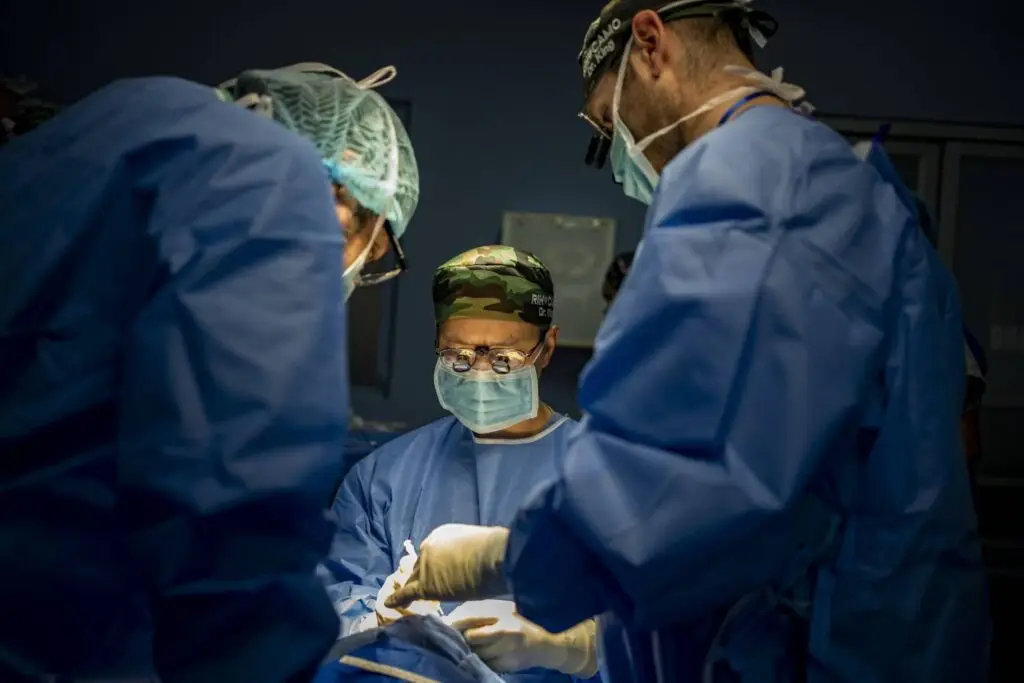
On behalf of the Board of Directors and staff of CAMO, we want to express our gratitude to volunteers, partners, brigade members, and donors who joined our recent CAMO USA Brigade held from March 2nd to the 17th, 2024.
Achievements: Thanks to the support of 80 volunteers and staff during our recent brigade:
– Ophthalmology: 109 patients received the gift of sight through cataract surgery.
– Plastic Surgery: 17 children were treated for cleft lip and palate surgeries.
– Dental Care: Over 500 children across various brigades received essential dental treatment.
– Dental Clinics Restored: Clinics in local public health centers and in 2 main public schools.
– Nursing Training: Nursing staff from Hospital de Occidente and Juan Manuel Gálvez in Gracias, Lempira were trained in vital childbirth care and newborn care.
– Teacher Training: 45 teachers from 16 rural schools received training in lesson planning and teaching techniques.
– Nutritional Care Training: Training on nutritional care for patients was provided to Hospital de Occidente staff.
– Biomedical Support: Biomedical support and maintenance were provided to Hospital de Occidente’s Biomedical and Maintenance Center, repairing 98 pieces of medical equipment and furniture.
We would like to thank the Honduran companies and individuals who generously donated money and/or in-kind support for the development of the CAMO USA Medical Brigade: