CAMO IN FOCUS May – June 2025
Read CAMO AT A GLANCE MAY – JUNE 2025
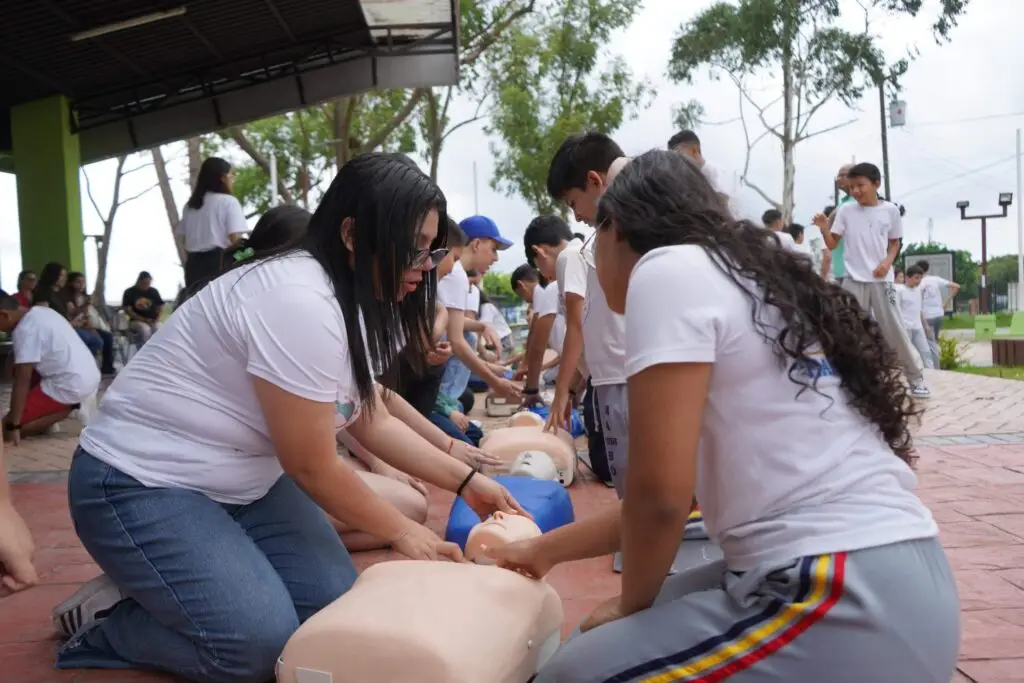
More than 100 children from the Manuel Bonilla Elementary School in Santa Rosa de Copán experienced a life-changing event: they learned how to provide first aid and perform cardiopulmonary resuscitation (CPR).
But the most remarkable part of the day wasn’t just the knowledge they gained—it was who taught them: other children, just like them.
After an intensive training process, the young volunteers of CAMO Junior enthusiastically took on the challenge of sharing their knowledge with others. With energy, enthusiasm, and hearts eager to serve, these young leaders became life instructors, spreading awareness about the importance of taking action in an emergency.
“It was really nice because I learned and got to teach others what we’ve learned in CAMO,” shared Sara Madrid, a CAMO Junior member.
This event was more than a training—it was a space where children discovered their potential to help, to lead, and to make a difference. The day was filled with smiles, friendship, and a spark of hope ignited in every participant.
This initiative reaffirms the mission of CAMO Junior: to build a new generation of volunteers who, from an early age, understand the value of service and solidarity. Currently, at least 48 children aged 3 to 17 are part of this program. They actively participate in fundraising events, community outreach, and now, in teaching other children.
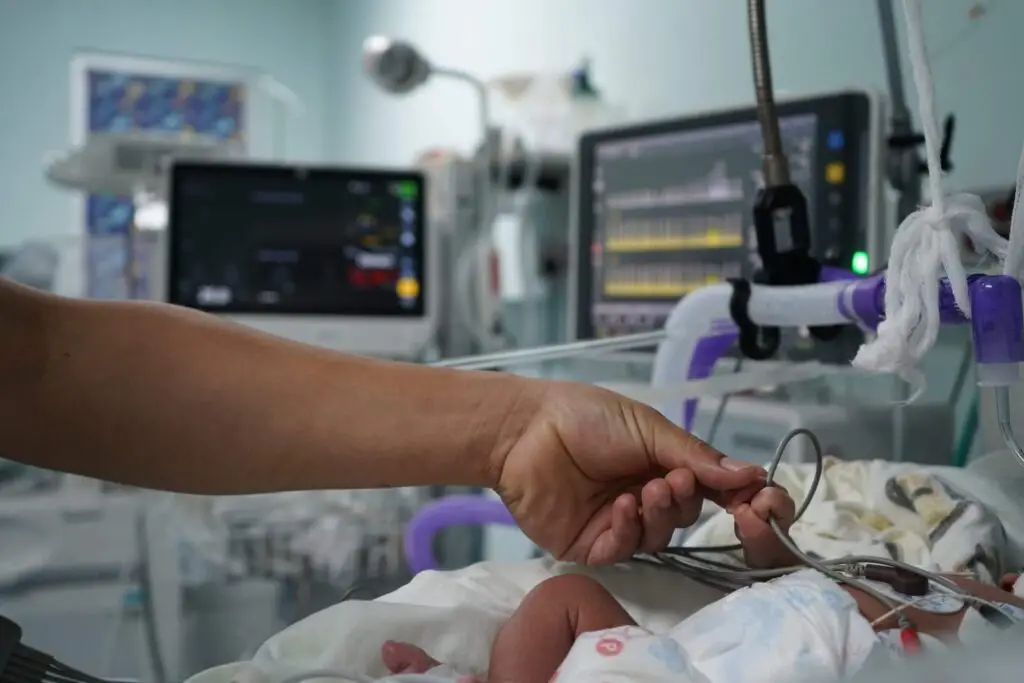
At the Juan Manuel Gálvez Hospital in rural Honduras, babies born too soon once faced slim odds of survival. No equipment and a lack of specialized training meant many fragile lives were lost before they had a chance to begin.
But in early 2025, everything changed.
Thanks to a partnership between CAMO and Salem Health Hospitals & Clinics in Oregon, modern neonatal equipment—along with something even more powerful—arrived: education. A team of U.S. professionals, including respiratory therapists Karen Schell and Dana Henscheid, and neonatal specialist Mary Sayler, trained Honduran staff in life-saving techniques like CPAP, oxygen delivery, and neonatal stabilization.
The results were immediate. Within days, premature twins survived thanks to the new care protocols. And in just a few months, the hospital’s neonatal mortality rate dropped from 22.6% to 7.7%.
“We’ve improved survival not just because of better equipment,” said Dr. Douglas Carranza, head of pediatrics, “but because our team now has the training to use it effectively.”
This story is a reminder: when knowledge is shared, lives are saved. Sustainable healthcare is not built on supplies alone—it depends on skilled hands, informed minds, and cross-border collaboration.
CAMO continues to deliver both: equipment and education. Together, they bring hope where it’s needed most.
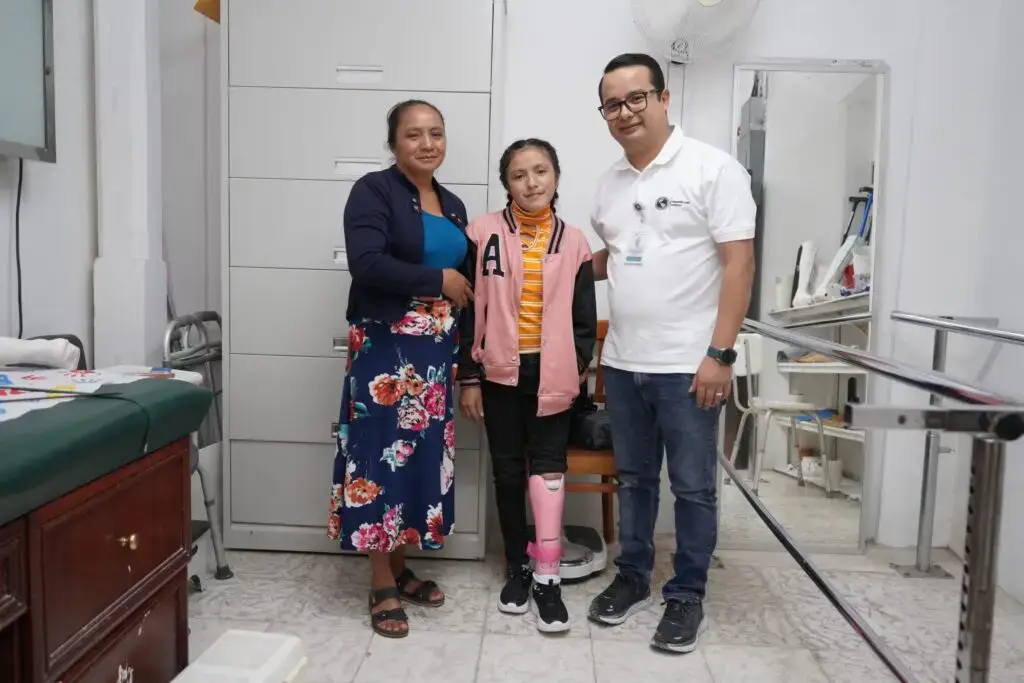
Since she was just three years old, Dariela Julissa Bajurto has walked a path filled with challenges, strength, and love. Born with a congenital malformation in her left foot and hand, she has never let that define what she can achieve. With the continued support of CAMO’s Prosthetics and Orthotics Program, she has learned not only to walk—but to dream without limits.
Today, Dariela is 12 years old and lives with her mother in the rural community of Gualtaya, Belén Gualcho.
Though the difference in length between her legs has increased over time, she doesn’t stop. Thanks to support from the FAKS Foundation, she recently received a new prosthesis that allows her to keep moving forward—physically and emotionally—toward her future.
“What I want most is to keep walking so I can keep studying,” she says with a mix of shyness and determination. She’s in seventh grade at her local school and dreams of becoming a stylist. “I’ve already started learning—I’m doing acrylic nails,” she shares excitedly, her eyes shining with hope.
Her mother, María Ofelia Matheu, is a single mom and works in agriculture to support her small family.
“We are so grateful to CAMO because they’ve always opened their doors to us, and thank God my daughter is moving forward,” said Ofelia, full of emotion.
Behind every prosthesis, every appointment, and every smile, there are generous hearts who believe in the power of solidarity.
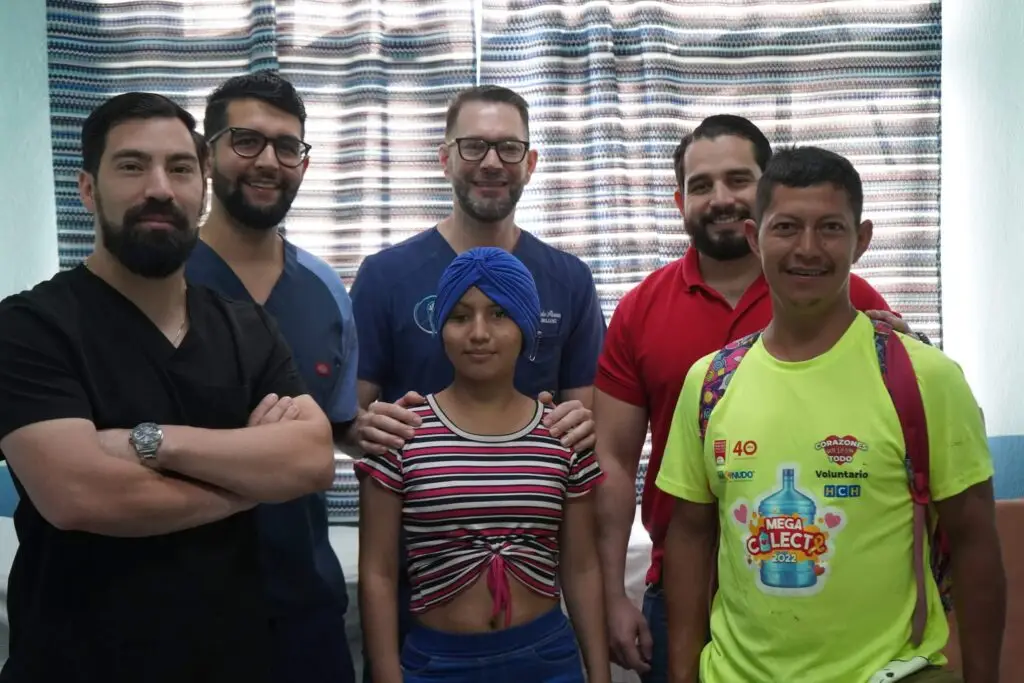
Anyoli January Castillo, 14, left her home in the village of Las Flores with a small bag and a heavy fear: rhabdomyosarcoma, an aggressive cancer near her right eye. She traveled to Santa Rosa de Copán with her father, clinging to the hope they found in CAMO.
Her father, Joel Alexander Castillo Melgar, accompanied her with unshaken faith, despite the enormous financial challenges they faced. For over a year, they fought to get a clear diagnosis. But the only way to save Anyoli required a complex surgery that could only be performed by a team with expertise in neurosurgery, ophthalmology, and maxillofacial surgery — a nearly impossible combination to find in the Honduran public health system.
But at CAMO and the Hospital de Occidente, the impossible became possible.
Thanks to the dedication and generosity of three volunteer doctors — Dr. Héctor Robles (ophthalmologist), Dr. Roberto Álvarez (neurosurgeon), and Dr. Javier Pérez (maxillofacial surgeon) — along with a multidisciplinary team from the Hospital de Occidente, a highly complex craniofacial surgery was successfully performed.“We had the privilege of working together across three specialties to carry out a full resection of the tumor. It was a complex operation, but we succeeded in removing the cancer,” shared Dr. Álvarez.
The surgery also marked an innovation for the region. A custom prosthesis was 3D-printed in Santa Rosa de Copán using a special resin to reconstruct Anyoli’s eye socket, eyelid, and part of her face.
“We didn’t just treat the tumor — we preserved the aesthetic side of this young girl. CAMO made this surgery possible through its specialized programs and access to both technology and skilled professionals,” added Dr. Álvarez, who also thanked the pediatric team at the Hospital de Occidente.
Twenty-one days after the operation, Anyoli returned to CAMO for a post-operative evaluation. Her smile and the light in her eyes said it all: renewed hope.
Today, Anyoli continues with her oncology treatment, walking a new path thanks to solidarity and teamwork. She hasn’t yet chosen a life goal, but dreams of becoming a chef someday.
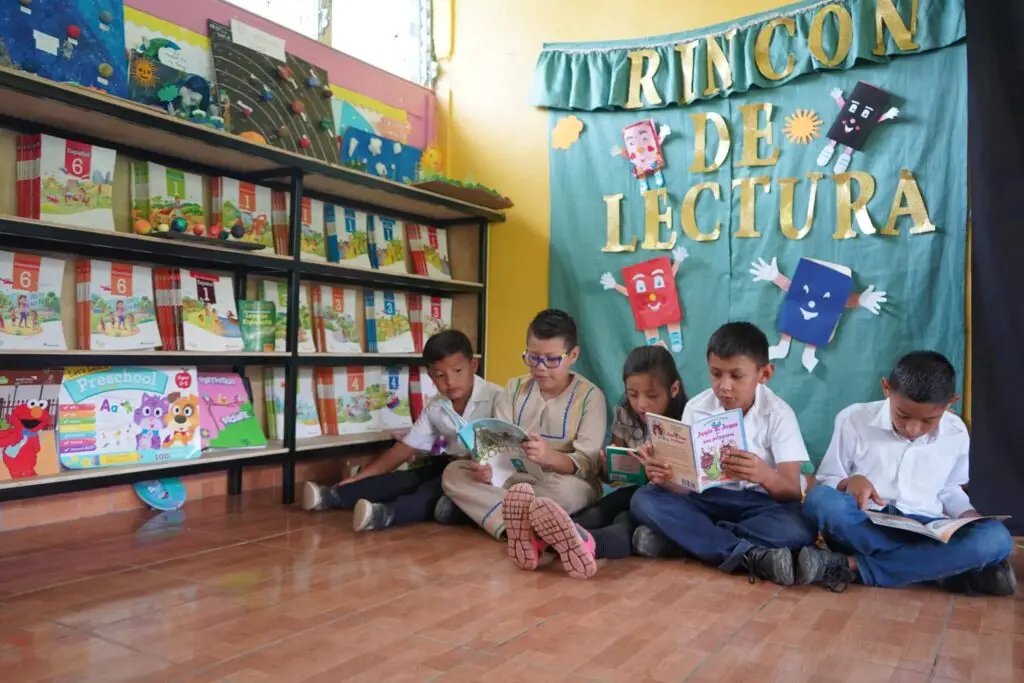
Since we decided to invest in children’s education, we have witnessed stories of kids opening a book for the very first time that they truly feel is theirs. Stories of boys and girls discovering the world around them, until they realize that reading is also dreaming.
Schools in Honduras, especially in rural areas, are characterized by the fact that most of the children attending them lack the necessary resources for learning—they are without books, educational materials, school supplies, furniture, and more.
Moved by this need and seeking the sustainable development of communities, CAMO has been able to support 16 schools by providing these much-needed materials to around 1,500 students whose opportunities grow with the support of donors.
Schools supported by CAMO have received libraries with 100 carefully donated books in Spanish.
Reducing a Wide Gap of Inequality
Children now read at least three hours per week, and their reading comprehension levels have improved by more than 15%.
But beyond the numbers, what truly changes is their outlook, self-esteem, and way of understanding the world.
However, CAMO does not stop there. Alongside promoting reading, we have developed a model that combines education and health in a single effort.
Through the Literacy Program, more than 1,500 students have been evaluated by medical brigades that detect and treat hearing, vision, nutrition, and oral health problems.
These are services that would be unreachable for many children otherwise.
With just $8.00, you can donate a book or a complete school kit.
This small amount covers shipping, library installation, and long-term follow-up.
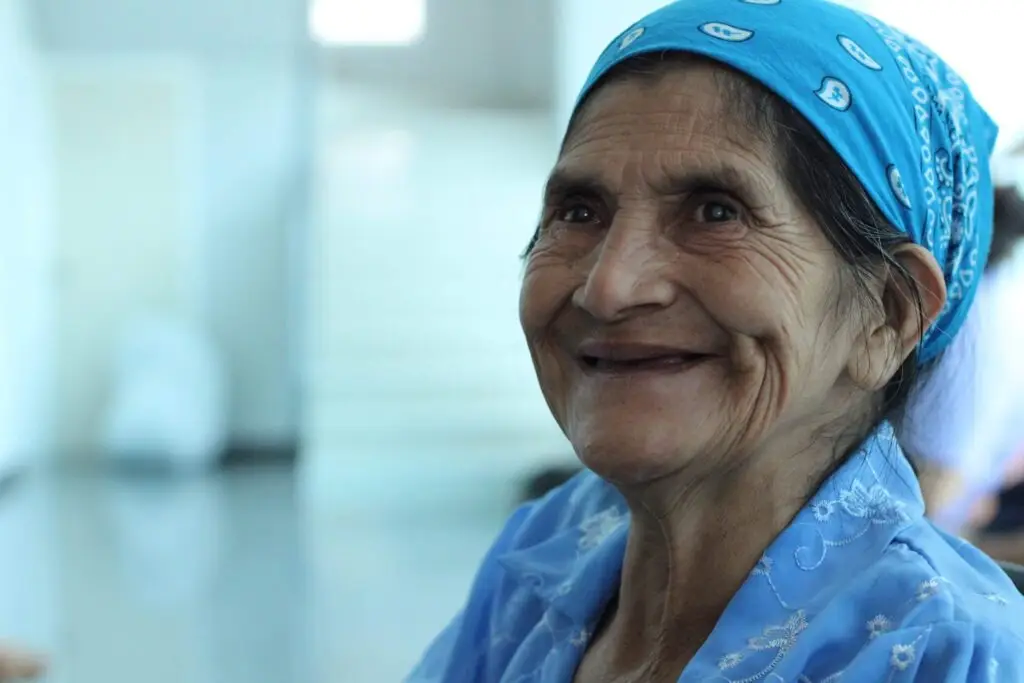
“I can see the whole horizon again… I’m excited, and that’s exactly what I wanted: to be able to see again.”
That’s how María Florinda Martínez, with tears of gratitude in her eyes, summarizes the moment she regained her sight after five years of darkness.
At 67 years old, María was completely blind due to cataracts in both eyes. She depended on her daughters for everything—from walking inside her own home to being fed by hand. Watering her flowers, sweeping the patio, or simply stepping out to the doorway were things of the past. But she never lost faith.
With hope intact and holding one of her daughters’ hands, she traveled over three hours from her community to the Robles Ophthalmology Center in Santa Rosa de Copán, where the Social Ophthalmology Program operates. Her dream was to recover her sight, even if it was just in one eye.
“When I could still see, I was able to do so many things. Now, I need help even to be fed,” said María in a soft voice, her gaze sorrowful but her heart full of hope.A Safe Surgery
At 12:00 noon, her evaluation began. By 1:00 p.m., she was in the operating room. The surgery, which lasts only about 10 to 15 minutes, was performed using phacoemulsification technology—a technique that uses ultrasound to break up the cloudy lens and replace it with an intraocular lens. The procedure was a success.
Just twenty minutes after recovery, Dr. Robles examined her. Around 3:00 p.m., María Florinda was able to see again with one of her eyes.
Filled with emotion and still in disbelief, she walked on her own for the first time in years, stepped out to the door of the ophthalmology center, and looked toward the horizon. “I saw the trees, I recognized the doctor’s face… I was nervous about the surgery, but that dream came true,” she said, her voice trembling with emotion.
Today, María has regained not only her vision, but also her independence and joy.
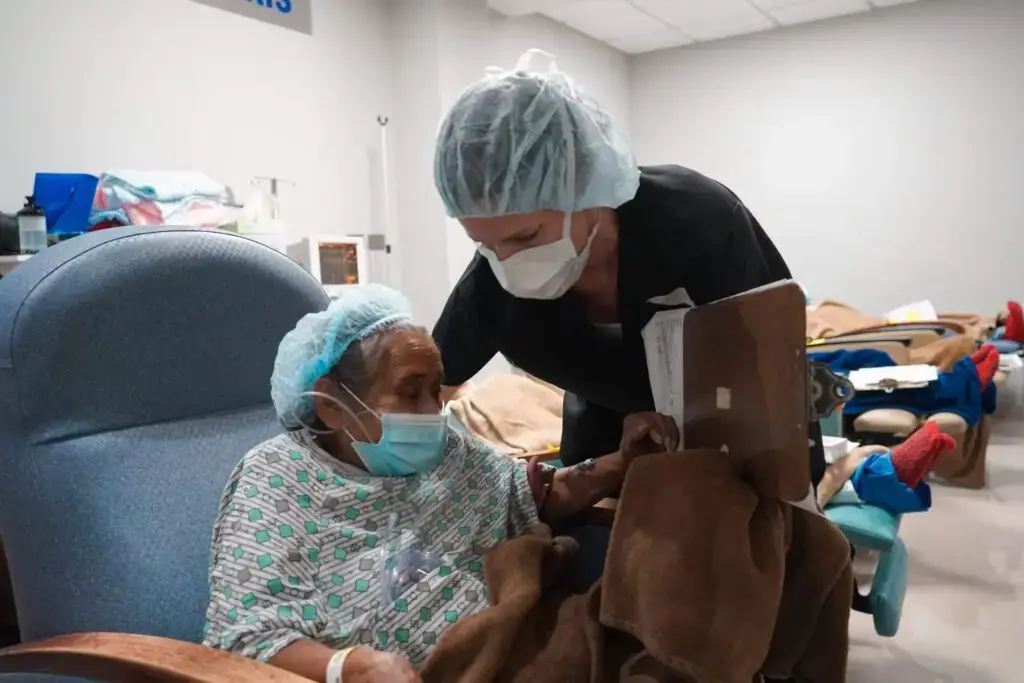
There are stories told through tears of joy. Like a grandfather seeing his grandchildren again. Or a mother who, after years, can sew, read, or walk with confidence. For more than three decades, the Ophthalmology Program of CAMO and the Robles family has made moments like these possible.
Since 1993, this effort has reached those who need it most—people who cannot afford a consultation or surgery, yet deserve to see clearly. Here, cataracts, glaucoma, and complications from diabetes and hypertension are treated with a level of care rarely found in our region.
The Ophthalmology Program, strengthened by the creation of the Robles Eye Center, has become one of the few places in western Honduras where people can access specialized visual care.
Just last year, more than 4,000 people were treated. One in four received surgery—procedures that, in many cases, restored their vision.
We need your help to continue
Keeping this program running is not easy. It requires costly medical supplies, precise technology, and above all, compassionate hands.
Dr. Pablo Robles, who has volunteered his time for years in this social program, explains: “There are nearly a million people living in this area, and there is no public ophthalmology service.”
“For a cataract surgery, for example, we need an intraocular lens, which is expensive. The Foundation covers these costs,” he said.
That’s why we ask for your help—to keep lighting the way for others. Every donation, no matter the size, adds up. Every contribution makes it possible for someone to see the world again with their own eyes.
Today, they need your light to keep restoring vision to those who need it most.