Before They Learned to Walk…
Nearly 18 months ago, Nehemías and Jeremías were fighting simply to breathe.
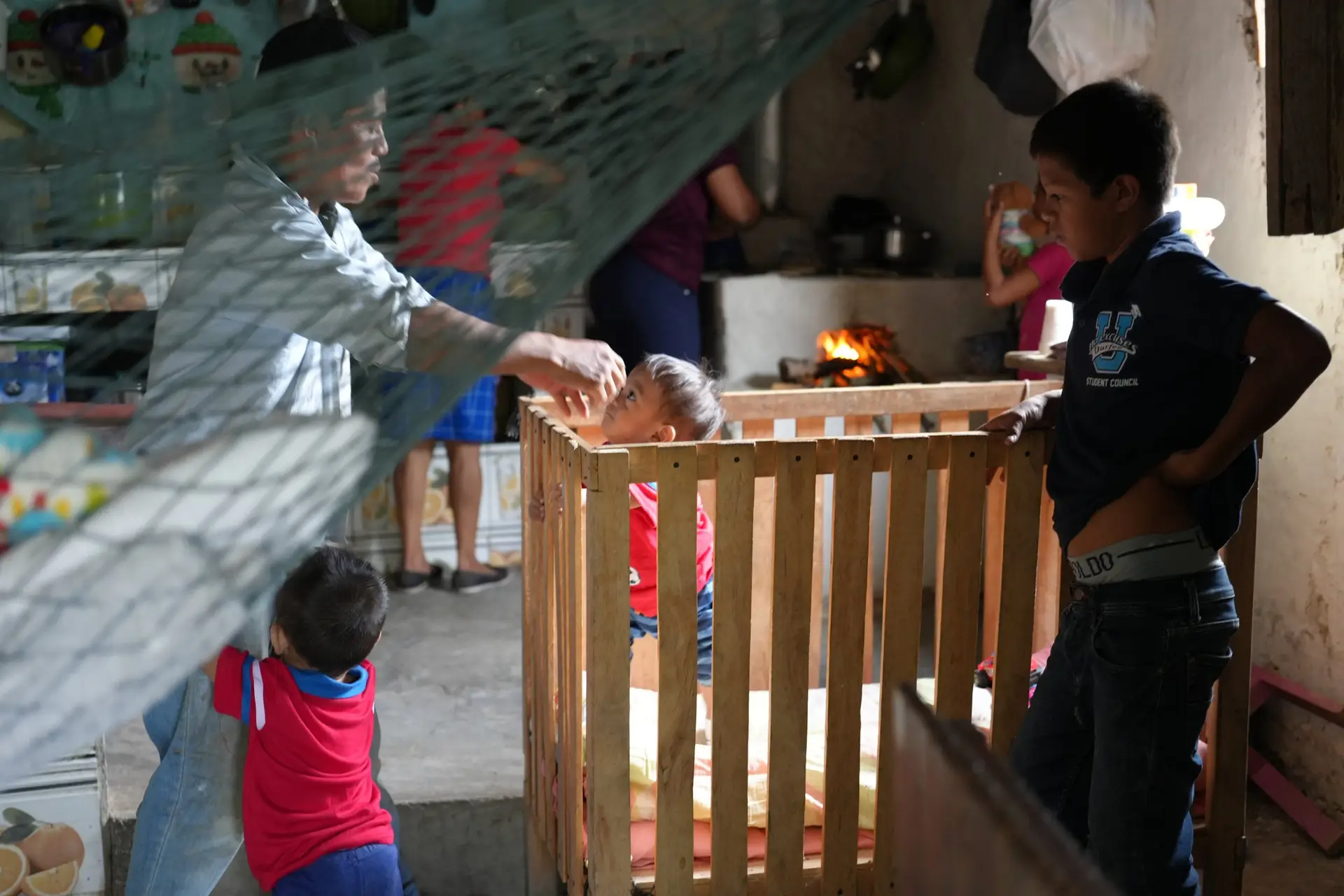
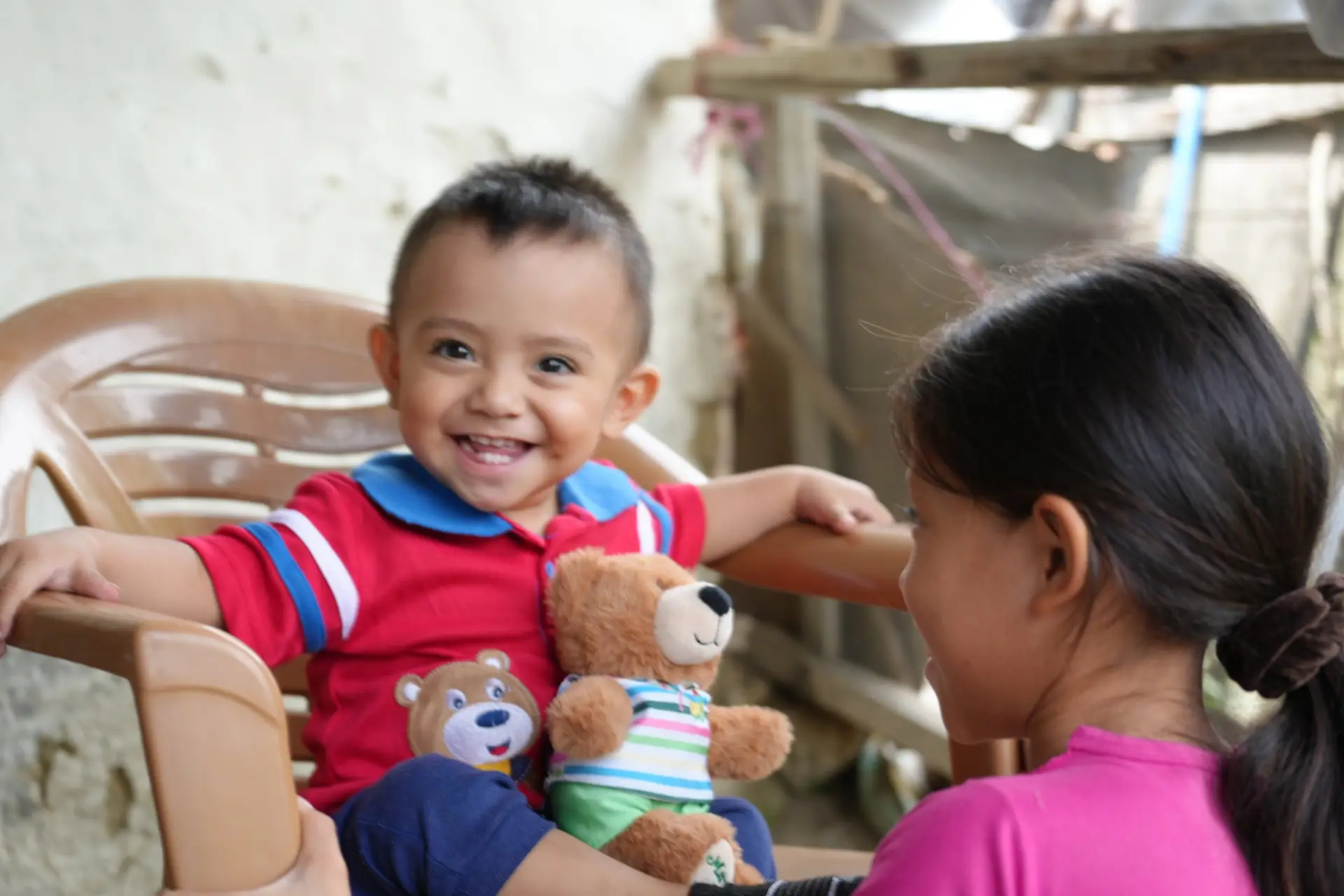
Today, they chase each other around a small home tucked high in the mountains of western Honduras. They sleep in hammocks, laugh with their older siblings, and proudly call out, “Mama” and “Papa.” Looking at them now, it is hard to imagine how close their family came to losing them both.
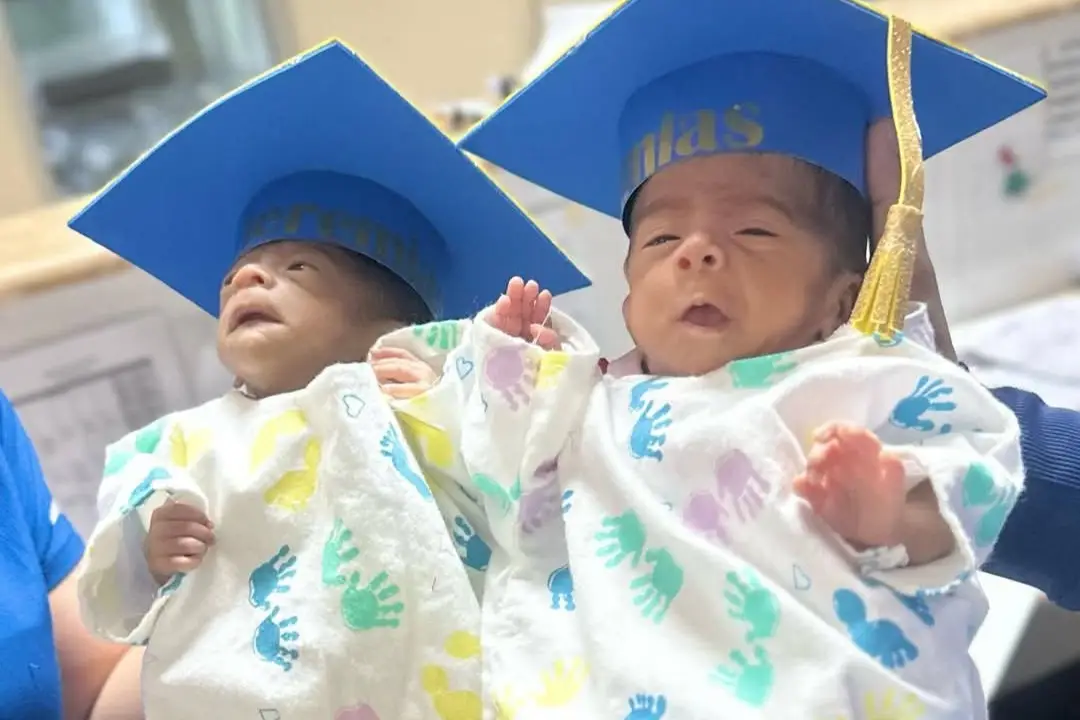
Gladys was only 30 weeks pregnant when labor began. She and her husband, Wilfredo, traveled more than two hours to the nearest maternity clinic expecting one baby. After the first delivery, the pain would not stop. Moments later, a second son arrived—a complete surprise. Jeremías weighed just three pounds. Nehemías, weighing less than two, entered the world without crying and barely showing signs of life.
Both newborns were rushed to Juan Manuel Gálvez Hospital in Gracias, where they began a desperate fight for survival. As doctors and nurses worked around the clock, a CAMO medical team from the United States arrived with two neonatal incubators and trained the hospital staff to use them as part of CAMO’s effort to strengthen respiratory care in Honduras. The twins became among the first babies cared for in that equipment.
Dr. Douglas Carranza, head of the neonatal unit, says those incubators became a lifeline—not only for the twins, but for many fragile newborns who have followed. Gladys remembers praying that her sons would not need to be transferred farther away. Even through frightening moments, including power outages during their stay, the medical team never stopped fighting for them.
Forty days later, Gladys and Wilfredo carried both boys home.
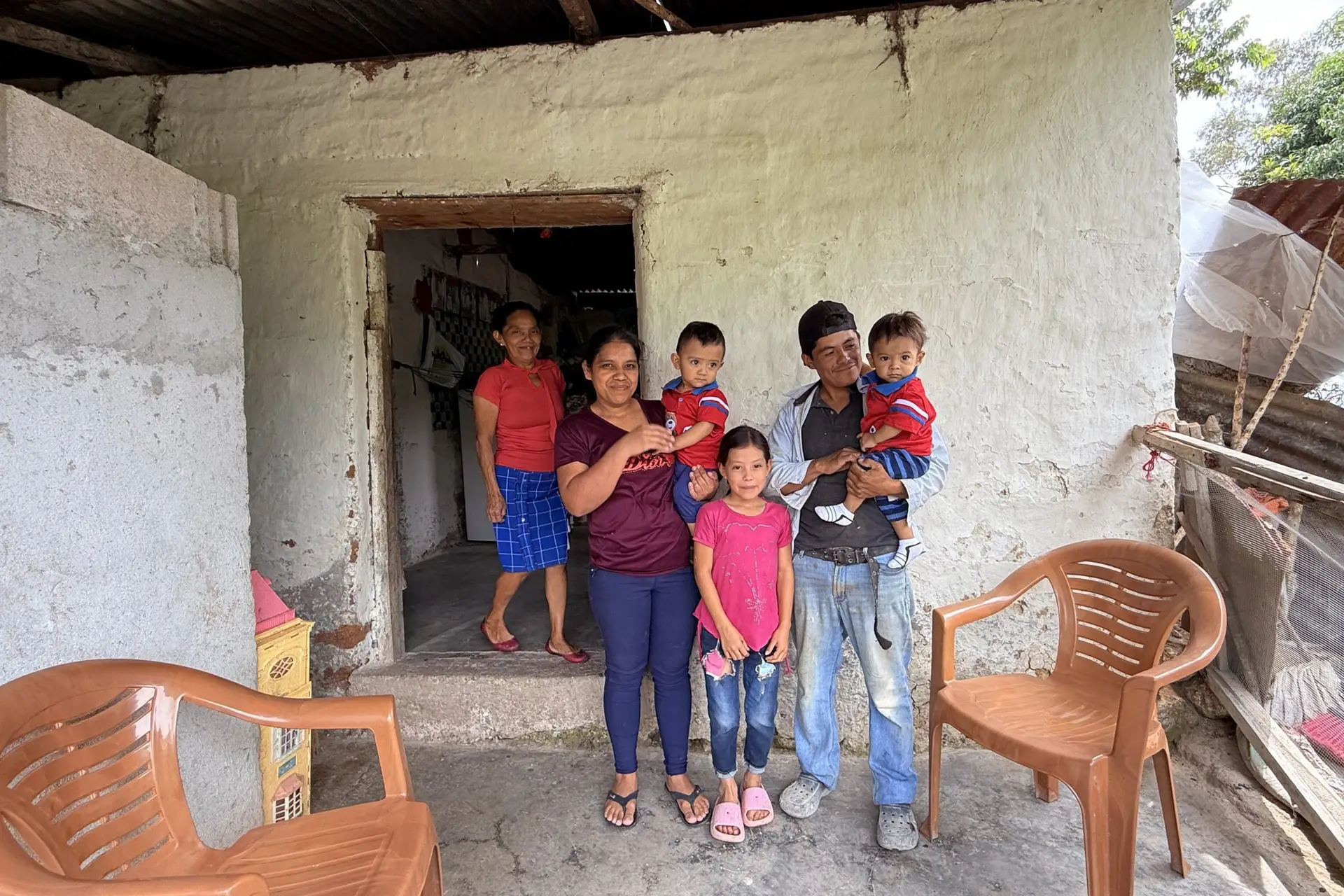
When we met the family, after traveling four hours into the mountains, there were no machines, no alarms, and no hospital walls. Only two curious toddlers filling their home with laughter—a quiet reminder that sometimes the greatest impact of a gift isn’t measured the day it arrives, but months later, when two little boys are finally free to run.