US bishops miss chance to unify
Since the president, the speaker of the House, the majority of the Supreme Court, local U.S. Reps. Anthony Gonzalez and Tim Ryan and a large percentage of the country’s voters are practicing Catholics, the U.S. Conference of Catholic Bishops has a great opportunity to help unify the country and steer the direction of important legislation. I just read that that they voted to prepare a teaching document on communion versus pro-choice politicians.
After illogically advising Catholics to avoid the Johnson & Johnson COVID vaccine during a pandemic, they pick one of the most divisive issues in the U.S. to address. If they truly wish to reduce abortions, they should start with changing their positions on prevention education, birth control and day-after pills, as Democratic Catholic politicians have urged for years.
At the conference, Bishop Robert McElroy warned that the initiative could weaken the bishop’s ability to speak on issues such as immigration, poverty, racism and the environment. These all appear to be areas where Jesus Christ would want his churches to show leadership. The “sound of silence” is deafening.
James L. Greener, Ravenna
Immigration proposal that makes sense
The editorial “How can we really stop unauthorized immigration?” (June 3) depicts a welcome shift in American policy toward stemming the tide of migrants from Central America. This new policy attempts to address the root causes that compel Central Americans to leave their homes in search of a better life for themselves and their families.
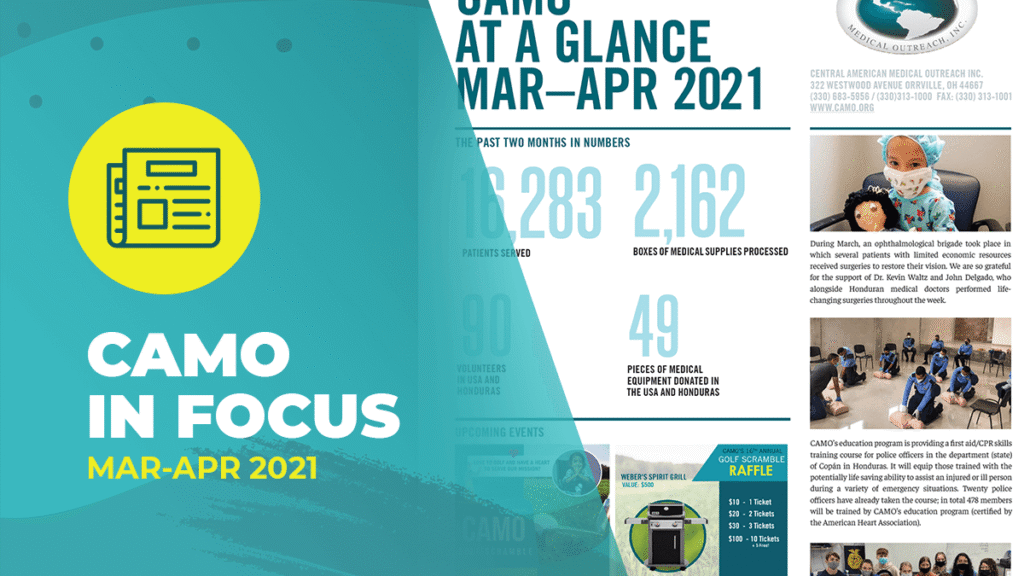
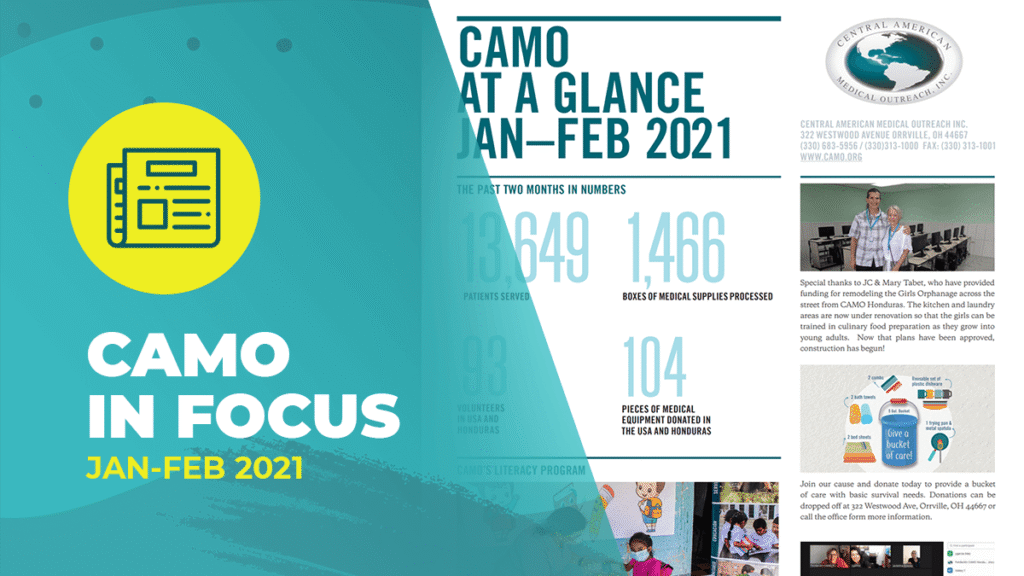
As president of Central American Medical Outreach (CAMO), I agree with the editorial, which stated: “We would also like to see this administration take a similar step with nonprofit and faith-based agencies, many of whom are well-equipped and already working in the region.” Our 27 years of experience in Central America have taught us several lessons. First is that many government entities are notoriously corrupt. Second is that improving the lives of Central Americans requires a holistic approach that addresses needs in public health, health care, education, free enterprise and community development. Third is that many NGO “Band-Aid brigades” that swoop in and complete a few projects or clinics and then leave without an ongoing presence can actually cause more harm than good.
Spending our resources in the countries of need makes far more sense than using those same resources to stem the tide at the border. We applaud this new approach by the current administration, but these measures must be implemented wisely, otherwise the result will be a squandering of U.S. taxpayer dollars.
Ron Taggart, Orrville
It’s not broken; don’t ‘fix’ SNAP lifeline
Without offering convincing data or strong evidence of the problem, Ohio senators claim excessive levels of fraud by food assistance beneficiaries (“Senate adds rules to food stamps in state budget,” June 12).
While many participants receive long-term program benefits, a significant number receive Supplemental Nutrition Assistance Program (SNAP) benefits only temporarily. When the economy is stronger and the poverty rate declines, the SNAP caseload closely mirrors the trend, falling as well — exactly what a safety net program should do.
These new SNAP restrictions in the Senate budget depend on a myth, not a problem. If adopted, they will exclude truly needy families, make enrollment more difficult and cost Ohio more to administer.
Hopefully, the General Assembly will delete this section of the budget or Gov. Mike DeWine will veto it. Your phone call to our governor could help that happen.
Donald P. Finn, Cuyahoga Falls
Source: Opinion: US bishops and abortion, immigrant help, food stamps (beaconjournal.com)